




Major Landscape Restoration Underway Along TF-1 Near Santa Cruz
The southern highway (TF-1) near Mercatenerife, a key access route to Santa Cruz, is undergoing a significant landscape restoration, marking the largest project of its kind on this road to date. The works began on February 17 and have a budget of €3,005,659, aimed at revitalising a heavily deteriorated area.
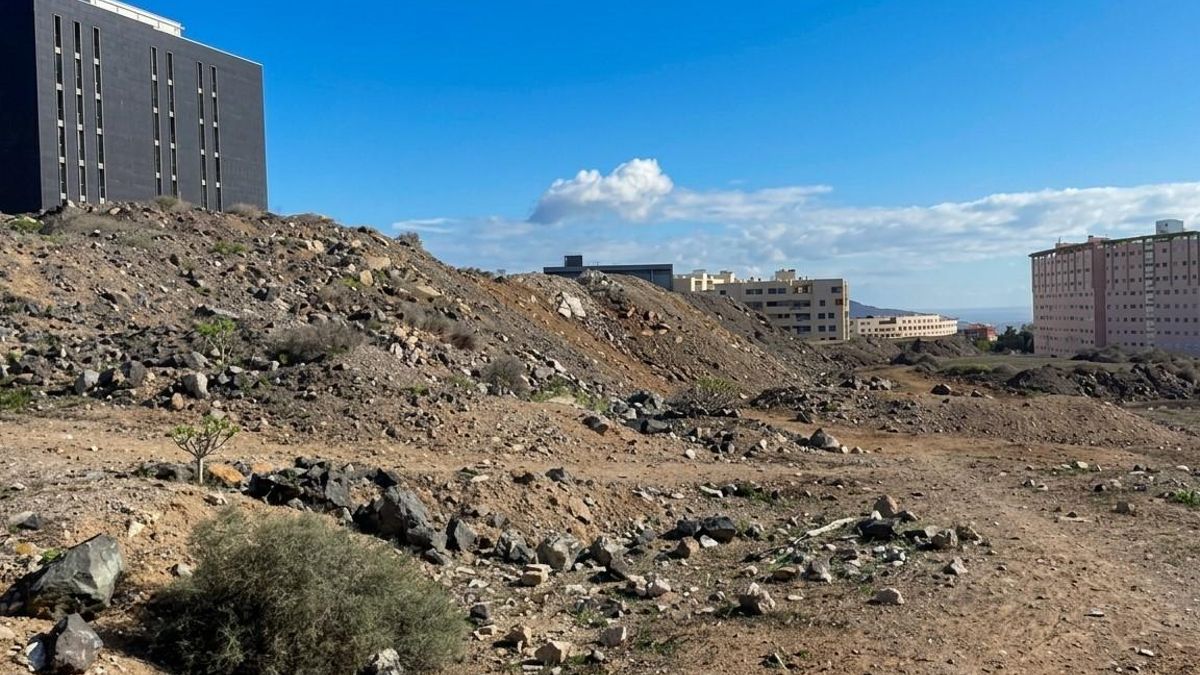
The project covers an area of 53,982 square metres, but due to the steep terrain—which has an average slope of 28 degrees—the actual working area expands to 64,778 square metres. Initial efforts include clearing and cleaning the slopes, requiring the removal of debris and accumulated waste. This has been followed by land profiling and the preventive transplanting of native plants to ensure their survival.
Tenerife’s regional council president, Rosa Dávila, linked the initiative to broader infrastructure policies, stating, “This project demonstrates our commitment to developing road infrastructure that respects the landscape. We are enhancing both the safety and the appearance of a major access point to the city while environmentally restoring a degraded area by removing invasive species and replacing them with native flora to recover the site’s natural value.”
Among the challenges faced is the removal of invasive exotic flora, particularly rabo de gato, a rapidly spreading plant that adversely affects local ecosystems. Dámaso Arteaga, the island’s transportation councillor, noted, “The complexity of this project is exacerbated by the steepness of the terrain and the high level of degradation. Significant efforts to clean up, remove waste, and eradicate invasive species were necessary before starting landscape restoration, focusing on native plant species for long-term integration.”
Once the cleaning phase is completed, the project plans to cover over 10,000 square metres of the slopes with natural stone to stabilise the terrain and blend it with the surrounding environment. The final phase will involve replanting approximately 5,500 native Canary Island plant species, including cardones, tabaibas, cornicales, tarajales, balos, and lentiscos, to restore the original landscape and promote local biodiversity.