


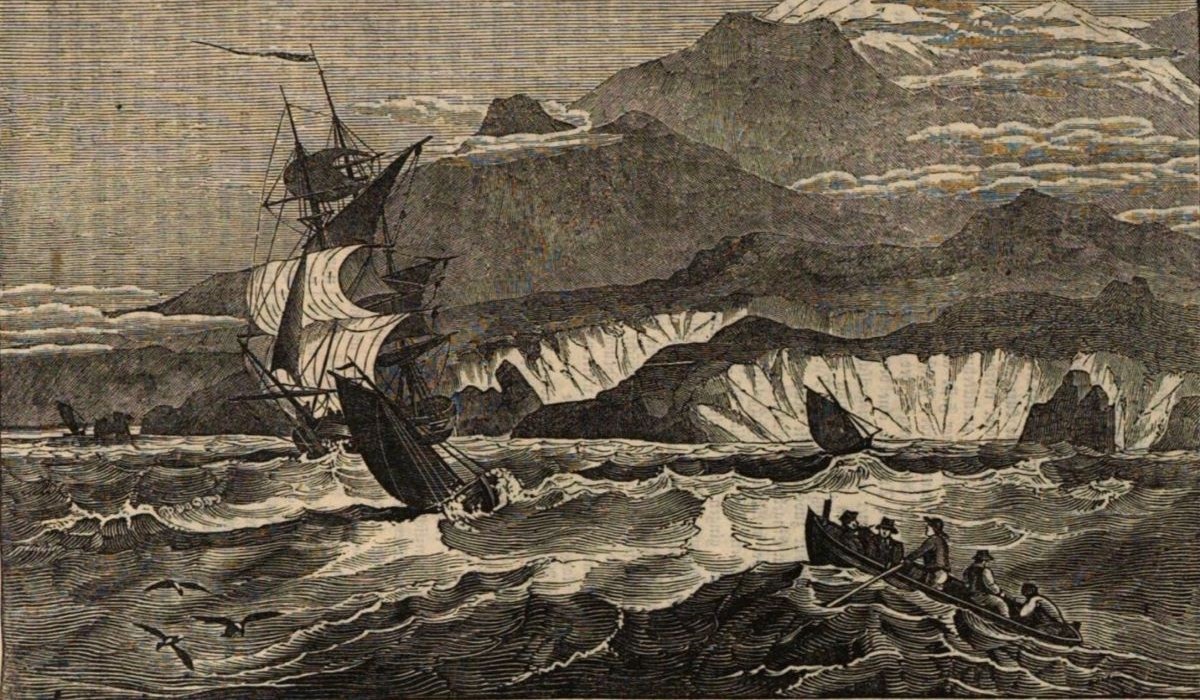
A devastating flood struck the Canary Islands 200 years ago, in November 1826, leaving a profound impact across the archipelago. Recent documents reveal that this disaster reached international headlines and resulted in significant losses, both human and economic.
Leading efforts to unearth the full story is Leopoldo Álvarez, president of the Association for the Memory of the 1826 Flood. For nearly three decades, Álvarez has collected data from local, municipal, ecclesiastical, and international records, piecing together events from the 7th and 8th of November. He insists that his research is ongoing and stresses the need for broader awareness of this historical calamity.
Initial estimates cite around 300 fatalities, over 600 destroyed homes, loss of more than 30% of arable land, and over 1,000 livestock lost. Areas most affected included the ravines near Güímar and La Orotava. This event, termed “the storm of San Florencio” by Professor Pedro Dorta, was described as a tropical cyclone that approached from the west and lingered for a day and a half.
Álvarez’s investigation began in 1996 when he uncovered a local parish account. He has been determined to raise awareness about this significant event, especially as its bicentennial approaches. His findings will culminate in a three-volume work set for release in 2029, detailing the flood’s social, economic, and ecological impacts.
Early revisions of casualty figures indicate that Tenerife suffered more deaths due to its rugged terrain, exacerbating water runoff. Other islands also faced loss, with 37 people dying in a shipwreck off Gran Canaria. “It’s reasonable to estimate about 500 fatalities overall,” Álvarez suggests.
The flood struck late in the afternoon, catching many residents working in the fields. Although some received warnings when the weather worsened, the disaster still claimed crops and between 100 to 200 camels. The financial toll on Tenerife was estimated at 50 to 60 million reales, while Gran Canaria faced losses of around 200 million reales due to its more developed infrastructure. Reports suggest Lanzarote lost a third of its agricultural value, with the overall regional impact several times the archipelago’s GDP at the time.
Internationally, news of the flood took months to reach the mainland, arriving in Madrid by ship via Cádiz. From there, it was disseminated across Europe, with over 50 British newspapers reporting the disaster. On 20 January 1827, the Diario di Roma described the chaos, noting that virtually all moored ships sank, and the fortress of Candelaria on Tenerife “was submerged by rushing waters.”
Remarkably, some accounts mentioned changes to the topography of the Teide following the disaster, with reports of erosion altering its appearance. Documents indicate that materials swept down from the summits created new land along the coast, expanding areas in places like Icod and Martiánez.
Five days after the flood, Tenerife’s bishop, Luis Folgueras y Sión, expressed his sorrow over the devastation and linked it to divine retribution for the islanders’ sins. A curious episode from the aftermath involved the supposed recovery of a small figure claiming to be the lost Virgin of Candelaria, though it was later deemed fraudulent by church authorities.
This tragic event remains a pivotal moment in the history of the Canary Islands, highlighting the need to remember and honour those affected by its impact.


