



A vibrant new trend has emerged from social media to the streets, connecting young people worldwide, while echoing the ballroom scene created by LGBTQ+ individuals expelled from their homes in the 1980s.
In bustling gatherings, dozens of young people form a circle, showcasing viral dance moves in what is called “farming aura.” This phenomenon aims to boost one’s social reputation. The term “farming” derives from the gaming world, referring to accumulating points or experience, while “aura” symbolises charisma. Although this trend has taken many by surprise, its foundations are nothing new.
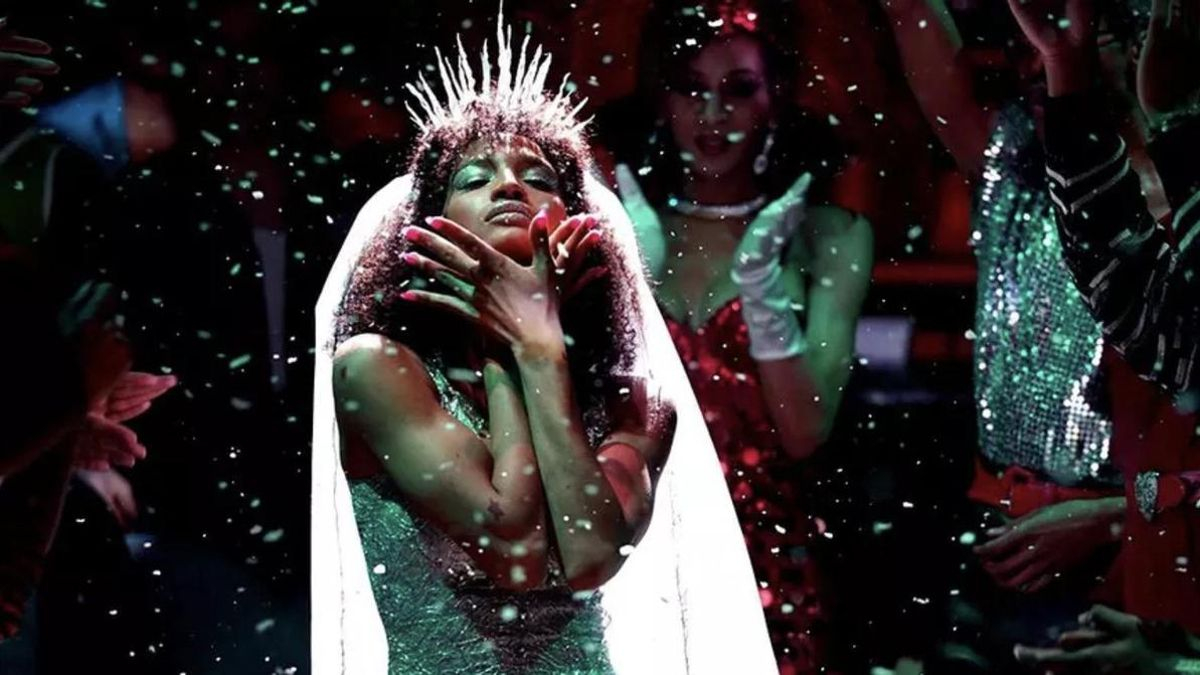
Many of the moves showcased in these battles recall voguing, a dance style that originated in the 1980s within New York’s ballroom culture, primarily crafted by African American and Latinx members of the LGBTQ+ community. Rooted in Harlem, voguing features dynamic, performative dance inspired by poses from the magazine Vogue.
Edu Medina, a dancer and choreographer in the Canary Islands, explains that for marginalized individuals, entering heteronormative spaces was often impossible. Thus, they created their own environments, movements, and social dynamics.
Meritxell Salazar, coordinator of the LGBTIQA* Diversas Canarias Association, highlights the importance of these safe spaces, known as balls. At these artistic expression events, socially marginalized participants formed caring communities. Salazar notes that this phenomenon was particularly championed by Black trans women.
Similar to aura battles, ball participants defended the reputation of their “houses,” led by so-called “parents” or “mothers,” providing social support for those rejected by their families due to their gender identity. “They became your chosen family,” says Salazar, emphasising the vital role of these communities.
Medina views aura battles as a mix of dance competitions and theatrical performances where participants strive for social status through movement. He points out that while these practices seem new, they have existed within the LGBTQ+ community for years but garner attention only when they go viral beyond it.
While acknowledging the similarities with cultural appropriation, Medina highlights the need for young practitioners to understand their predecessors. “Everything’s been done before; they just need to learn and recognise the history,” he encourages.
Salazar notes the significant distinction between balls and aura battles lies in their venues. In the Canary Islands, farming aura events take place in public squares, bridging digital culture and real-world experiences. In New York, balls were often held clandestinely due to societal backlash against participants. “The aim was survival and community,” Salazar adds.
Voguing arrived in the Canary Islands between 2008 and 2010, particularly in Gran Canaria, thanks to dancers and teachers bringing knowledge from worldwide travels. Medina was among those who sought to educate himself on the roots of these styles, eventually fostering a community of his own.
Voguing has continued its legacy in the islands, passed down through generations. “These cultures aren’t ours, and we haven’t faced the same challenges. Yet, we can identify with aspects of social exclusion,” Medina reflects, stressing the importance of respecting the sacrifices made by the original creators.
As a new trend, aura battles have faced criticism and mockery, with Salazar addressing ageism and cultural elitism. She argues that today’s youth deserve their own cultural expressions and communities, free from ridicule.
Medina echoes her sentiment, appreciating the youth reclaiming public spaces and fostering friendships. He hopes they can enjoy spontaneous creativity without relying on technology. “It’s a return to humanity and the arts,” he concludes.