


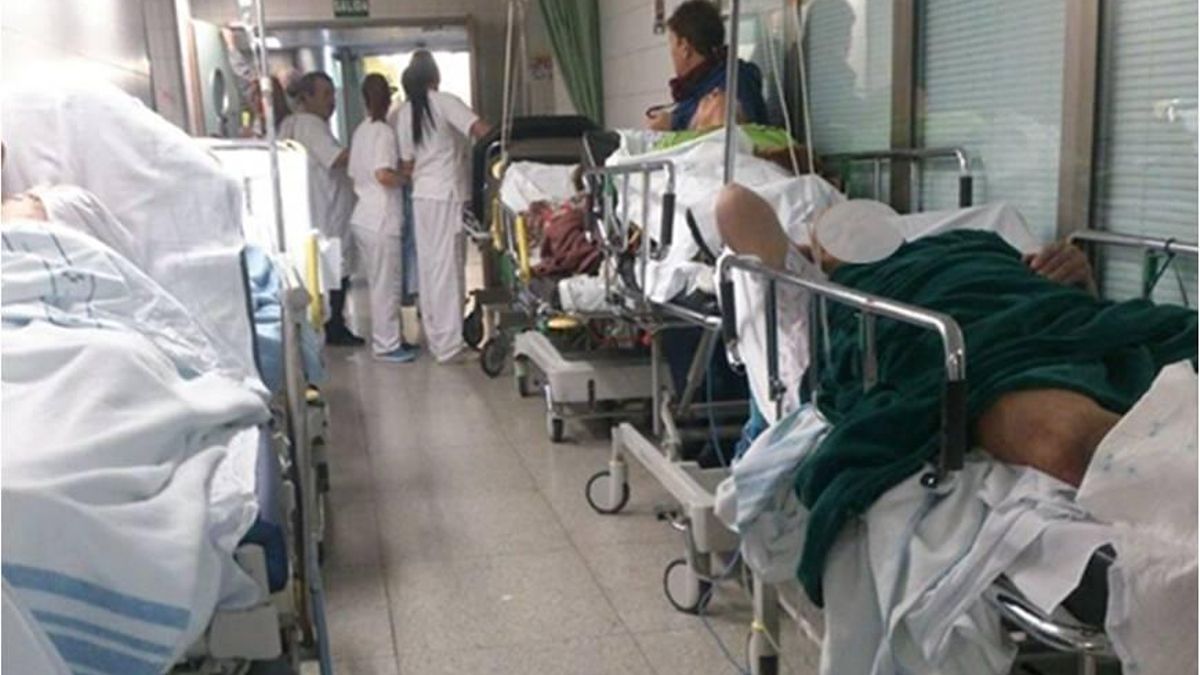
In 2025, 660 people died in the emergency department of the University Hospital of the Canary Islands (HUC) in Tenerife, a rise of 106 from the previous year. This data, released by the Canary Islands Health Service (SCS) in response to a transparency request, marks the highest mortality rate in the past five years at 0.85% of patients treated.
The increase in fatalities coincides with a staffing crisis at HUC following the departure of numerous veteran doctors. This crisis has prompted staff protests since late 2024, with demands for improvements in patient care. Notably, HUC serves fewer emergency cases compared to other major hospitals in the Canary Islands yet admits a larger proportion of patients, at 16.5%.
Healthcare professionals have highlighted the chronic overcrowding in the emergency department, leading to extreme situations such as prolonged wait times and the use of hallways for patient care. These problems have been exacerbated by a lack of hospital beds and difficulties in transferring acute patients from emergency services.
Comparatively, other third-level hospitals in the region, like Insular-Materno Infantil and Doctor Negrín in Gran Canaria, report significantly lower mortality rates between 0.4% and 0.5%. From 2021 to 2024, HUC’s emergency department recorded a mortality rate between 0.63% and 0.72%. The spike to 0.85% in 2025 reflects severe increases in specific patient categories, particularly those who were under observation and those treated in outpatient settings.
José Manuel Pavón, president of the SEMES (Spanish Society of Emergency Medicine) in the Canary Islands, notes that while the patient demographic at HUC is older and more complex, the discrepancy in mortality rates compared to other hospitals is striking. He warns that delays in patient care, at times lasting 12 to 14 hours, lead to increased health complications.
Pablo Febles, head of the HUC staff committee, is calling for a mortality review commission to examine the factors behind the rising death toll. He has requested clarifications from hospital management regarding these alarming numbers. Caty Darias, from the Intersindical Canaria workers’ union, points to a clear upward trend in mortality linked to staffing shortages and organisational issues following the exodus of experienced doctors.
Despite efforts to normalise the situation and improve emergency services, reports highlight persistent problems. The SCS acknowledged that the circumstances requiring immediate intervention had led to the resignations of qualified medical personnel, resulting in a staggering 70% of current staff lacking the necessary specialisation, up from just 10% in 2024.
HUC’s emergency department is now facing significant scrutiny regarding its leadership, as reports indicate that neither the current head nor five area chiefs hold the required specialist qualifications. Amid these issues, the SCS asserts that all management meet legal requirements to perform their roles.
Additionally, indicators such as follow-up visits within 72 hours have worsened, rising from 4,028 in 2024 to 4,425 in 2025. Despite these concerning trends, LEAD representatives maintain that HUC’s readmission rates remain lower than those of its counterparts, although caution is urged in interpreting these figures.


