



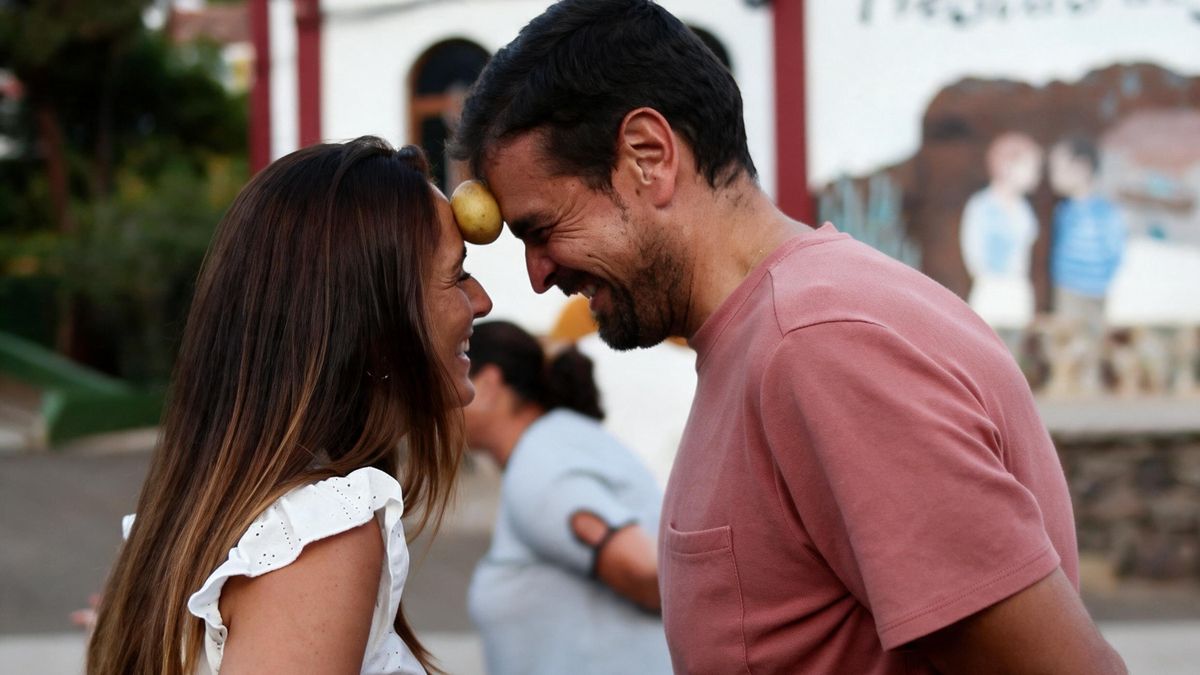
Residents of the remote village of El Hoyo in Gran Canaria are rallying to revive a beloved local tradition—the Baile de la Papa, part of the San Pedro Fiesta. The Rosa Nueva neighbourhood association has launched an academic study to document this unique dance form, supported by funding from the Gran Canaria Council.
The Baile de la Papa is a cherished cultural expression within the island’s heritage, having been performed consistently since the mid-20th century, except during the pandemic. Jorge Ojeda Montesdeoca is credited with introducing the dance to El Hoyo after witnessing it in other villages. Competitors balance a potato on their foreheads while dancing, with increasing difficulty dictated by the tempo of the music.
Gabriel Ramírez, a regular winner of the competition, shared that the key is keeping the potato steady. His wife, Margarita González, 85, reminisces about the early days of the San Pedro festivities and hopes that the tradition will continue, noting the increasing interest from younger generations.
Teresa Cárdenes, known locally as Teresita, recalls when the dance first took place in her garage, with makeshift seating and the excitement of the community. She fondly reflects on the early criticisms of the dance as well.
The Rosa Nueva association, founded 48 years ago, is spearheading efforts to preserve local customs and encourage community participation. President Begoña Saavedra sees the association as a vital area for people to connect, share histories, and maintain cultural practices.
The association has applied for the Baile de la Papa to be recognised as a Cultural Heritage Asset and is working to raise awareness about the dance in schools and cultural centres. Saavedra expressed concern about ensuring that the memories and stories of older residents are captured before they’re lost, while Guadalupe Godoy, another board member, emphasised the importance of preserving the dance’s original form.
Community members have shared how the association has provided them with a space to come together, reclaiming their heritage and finding joy after years of hard work. Teacher Mercedes Hernández, who offers sewing classes and has formed close relationships with local women, describes her experiences as life-changing, saying, “I’m almost one of them.”