



A recent study has revealed that despite seven years of monitoring, the protection of the Dunas de Maspalomas in southern Gran Canaria remains insufficient, largely due to the behaviour of visitors. Researchers call for a multi-sectoral approach to safeguard this area.
In April and May 2018, scientists from the University of Las Palmas de Gran Canaria (ULPGC) surveyed tourists entering the protected dunes to understand their motivations. The findings were eye-opening: 78.2% of the 101 respondents were unaware they were in a Special Natural Reserve, and only 40.6% knew about the regulations in place. Furthermore, 62.4% did not know about the Interpretation Centre, and a significant portion opposed paying a fee for its conservation, believing that “nature is free and public”.
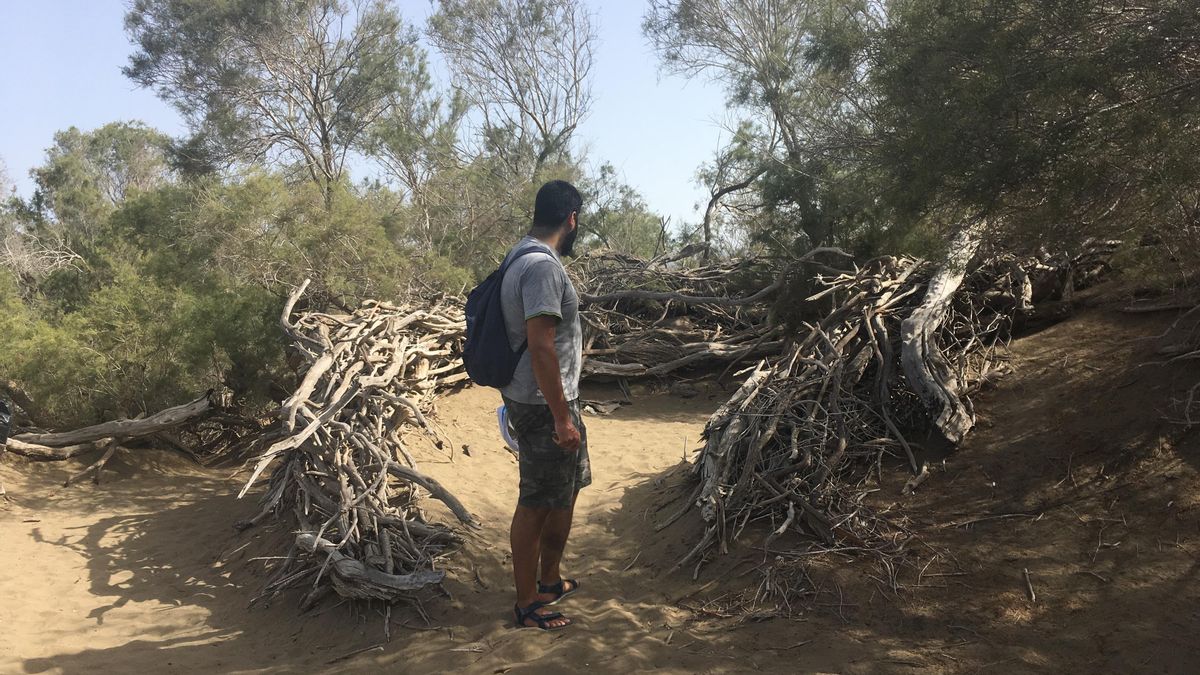
The same year, the ULPGC identified 298 points within the reserve where waste had accumulated or native vegetation had been destroyed. The Masdunas project aimed to restore 295 of these locations and remove over 2,000 cubic metres of plant debris from 2019 to 2023. However, despite nearly full restoration of these specific areas, insufficient 24-hour surveillance has led to new degradation in previously unspoiled regions.
According to the study published in the Journal of Outdoor Recreation and Tourism, illegal activities continue within the reserve, causing habitat destruction. Researchers stress the need for “solid” decisions involving all stakeholders. Carolina Peña-Alonso, a researcher involved in the study, explained that despite removal efforts, illegal structures are still organised online for when surveillance is lax.
One major challenge highlighted is the difficulty in educating tourists, who typically stay for only a week. Even if visitors become aware of the issues during their stay, the knowledge often does not persist once they leave.
Peña-Alonso noted that some repeat offenders feel a “sense of ownership” in the reserve, emboldened by the low likelihood of facing legal consequences. The research also points to the tourism industry’s role in treating the dunes merely as a promotional asset, with little accountability for conservation.
Moreover, the study criticises the conflicting responsibilities among different administrations linked to the site, threatening its ecological viability. Peña-Alonso explained that for the dune system to function, wind must naturally transport sand from the beach inland. Continuous beach grooming and the installation of sunbeds hinder this natural process.
The expansion of hotels and roads around the ecosystem has further exacerbated the issue, disrupting natural sand movement. The researcher noted that the coastline has receded by over 100 metres in recent decades, highlighting a concerning trend.
Peña-Alonso concluded that we are at a point of no return regarding conservation efforts. Maintaining the dunes, especially around the RIU Palace, is now crucial, as it protects against severe flooding from incoming storms.
The study found over 50% of the degraded sites revealed damaged or cut vegetation, compounded by litter found in the area, including cigarette butts and plastic waste, which attract introduced predators like rats and feral cats, threatening local wildlife.
The report details that 84.3% of survey respondents were foreign visitors, predominantly German and British, with 96.1% being male. Interestingly, 48.35% complained about poor management and called for more facilities, despite these being restricted to protect the environment.
Gran Canaria’s Cabildo has implemented measures such as intelligent video monitoring, real-time visitor tracking, and smart bins to enhance protection efforts for the dunes, along with increased security personnel.
Peña-Alonso and her colleagues urge the need for a coordinated strategy that incorporates visitor motivations, prioritises educational campaigns, and supports security personnel in managing conflicting uses of the reserve.