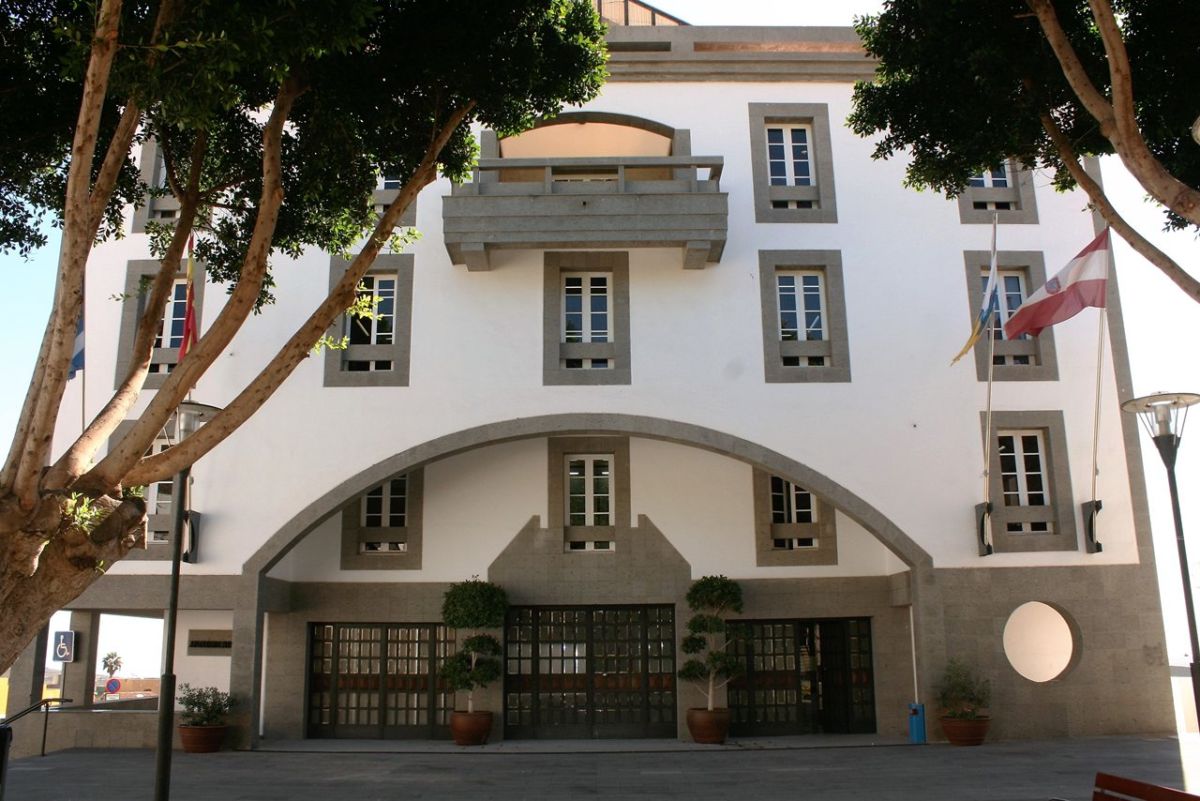





The Arona Town Council continues to oppose the proposed solar power plant in Los Bebederos, emphasising that the installation is explicitly prohibited under existing planning regulations. The site is designated as “common rustic land,” and officials argue that the justification for updating the General Planning (dating from 1992) is inadequate, stating it does not prove that the project needs to be located on rustic land or that it contributes to rural development.
This stance comes after the Canary Islands government authorised the project promoted by Disa, declaring it of public utility. This decision permits progress on the project despite local and regional objections.
The solar plant plans to install 8,610 photovoltaic panels with a capacity of nearly five megawatts on approximately five hectares near Chayofa, Tinguafaya, and the Southern Hospital entrance. The Cabildo notes that the area has agricultural potential and could be part of a future strategic agricultural reserve. Disa asserts that the land has been unused for over 30 years and lacks nearby irrigation facilities, making it apt for solar generation.
Environmental and landscape concerns have been raised regarding the necessary medium-voltage power line, which crosses Protected Environmental Areas and threatens a habitat of community interest in the Llano Azul ravine, home to protected plant species and birdlife. The nearest residential areas are around 220 metres from the proposed site.
The Arona Town Council maintains that its opposition is not against renewable energy but the chosen location, stating that any new electricity generation installations must be aligned with territorial planning. Mayor Fátima Lemes Reverón expressed concern that the current approach compromises the municipality’s future planning.
Urban Development Councillor Javier Baute stated while renewable sources are essential, their implementation must respect municipal planning. The local political party Más por Arona agrees with the opposition but adds critiques regarding agricultural land, biodiversity, and landscape loss due to the project. Its spokesperson, Luis García, called for the local government to oppose the installation without reservations.
Despite the Government of the Canary Islands approving the project as public utility, construction will not start immediately. The permit is contingent on meeting various environmental and technical requirements, including assessments of native flora and fauna impacts, alongside conducting a heritage study, which must include archaeological surveys.