




In Thiaroye sur Mer, a suburb of Dakar, the legacy of the 2006 migration crisis is still felt. The Diop family is haunted by the loss of 21 young members who vanished on their journey to the Canary Islands.
This year marks the 20th anniversary of the crisis that turned the Canaries into a major entry point for African migrants seeking a better life in Europe. Over 30,000 people arrived in the Canaries in 2006 alone, sparking a humanitarian crisis that reshaped migration management in Europe, underpinned by tighter border controls and the involvement of agencies like Frontex. Senegal was one of the main departure points, with many departing in small boats, known as ‘cayucos’, with the stark motto of “Barça or Barshak” (Barcelona or die).
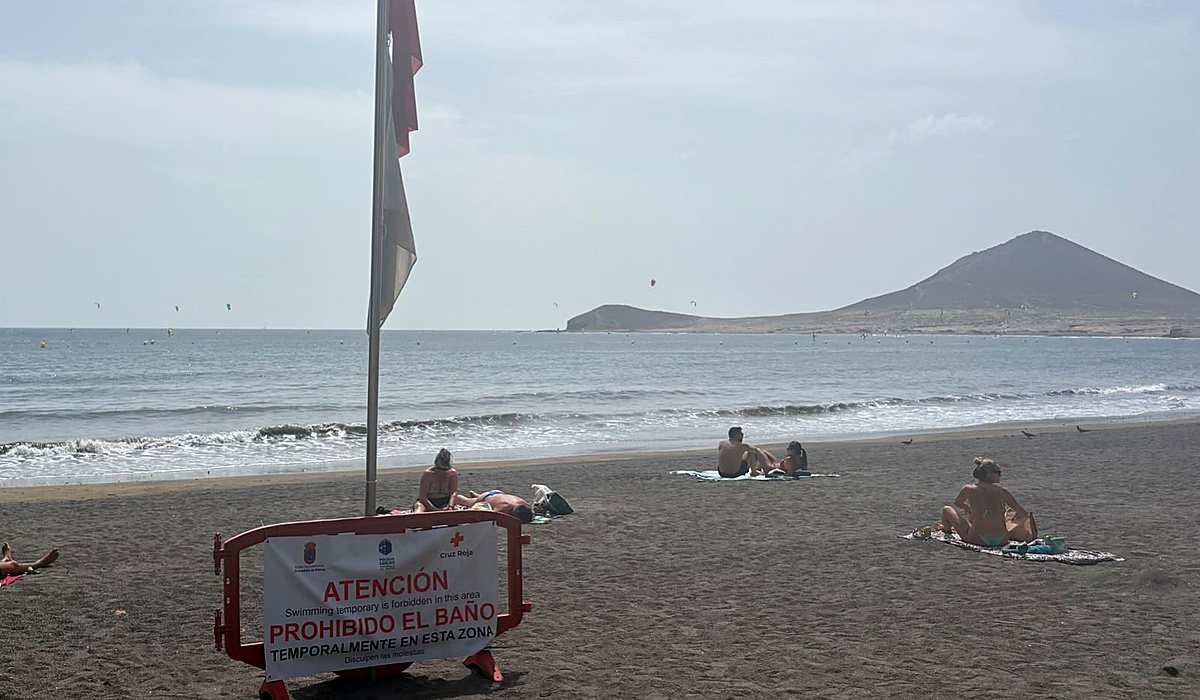
Today, fishermen along the Thiaroye sur Mer coast still look out to sea with a mix of hope and desperation. Among them is Mamadou Baye, now 62, who was one of the first to arrive in the Canaries in March 2006. He recalls reaching Tenerife with 41 other people after a week at sea, only to be taken to a refugee camp, where he struggled with the cold and uncertainty. A social worker provided him with a phone to contact his family back in Senegal. “I wanted to reassure my wife, who must have feared the worst,” he said.
After surviving deportation and living undocumented for 11 years in Lleida, Spain, Mamadou has since regularised his status and now lives and works in Zaragoza. His absence was deeply felt by his family, especially by his son Moussa, now 26, who couldn’t recall his father’s departure but vividly remembers the joy of their reunion in 2017. “I just wanted to know if he would come back someday,” he said.
In Thiaroye sur Mer, the harsh realities of life continue to challenge its residents. Many families, like that of Tambara, whose husband went missing during the crisis, struggle with the aftermath. After receiving a phone call from her husband before he embarked, she later became one of many women in the area who were left widowed. “The loss was hard, especially with financial burdens like school fees,” she said, recalling how difficult the initial years were.
An estimated 1,000 people are believed to have disappeared on their way to the Canaries in 2006, with most cases remaining unresolved. Some migrants’ children, motivated by their parents’ unresolved fates, have followed the same perilous path in search of opportunity.
The situation remains dire, with high unemployment pushing many young people to consider the dangerous journey to Europe. Moustapha Diouf, president of the local Youth Repatriates Association, highlights the ongoing challenges and stigma faced by those who return, often seen as failures. “In 2006, people said it was Barcelona or die, but now they believe it’s better to die at sea than face poverty at home,” he said. The desperation and dangers of migration continue to persist, with little change in sight.