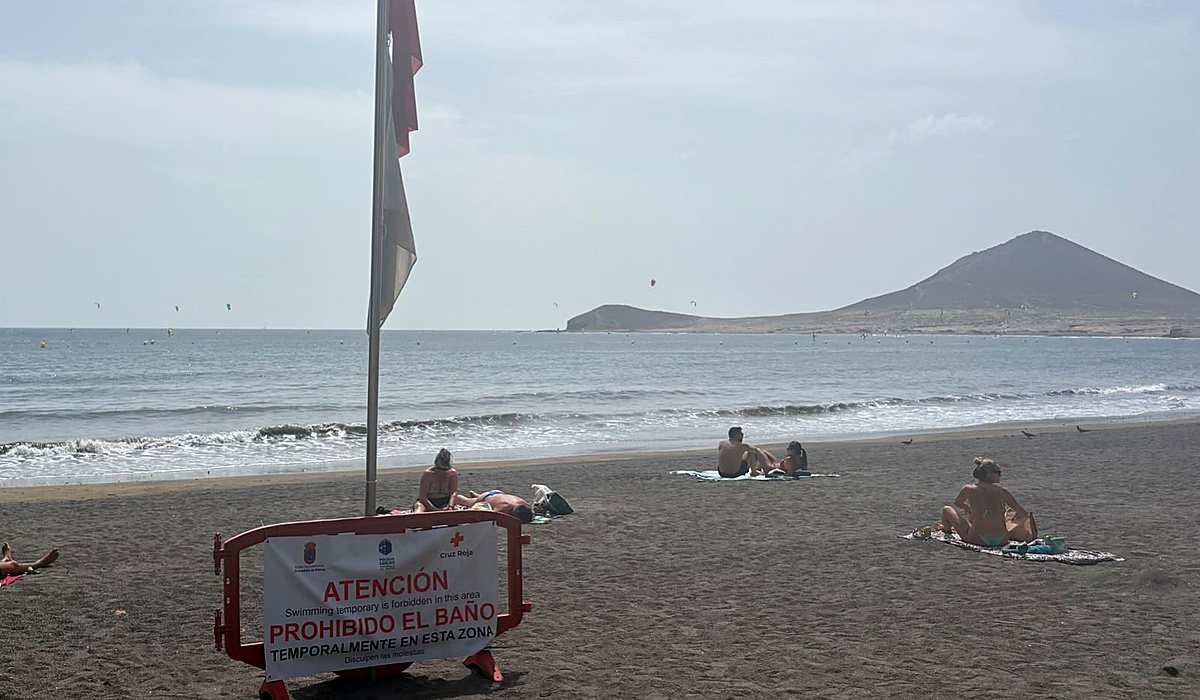





The heatwave affecting the Canary Islands continues on Friday, 31 July, resulting in soaring temperatures, calima, warm nights, and an increased risk of wildfires across several islands. Gran Canaria is expected to see the highest temperatures, possibly exceeding 37°C. The State Meteorological Agency (Aemet) has issued an orange warning for the island.
Yellow warnings are also in effect for Tenerife, La Palma, La Gomera, El Hierro, and Fuerteventura, with expected highs of 35°C in mid-altitude areas and on southern slopes. The Canary Islands government is maintaining alerts for wildfires due to a dangerous mix of heat, dry air, calima, and adverse weather.
Aemet forecasts the hottest areas will be the mountain peaks and southern slopes of Gran Canaria, where temperatures will soar. Tenerife’s western, southern, and eastern mid-altitude regions are likely to reach 34°C to 35°C, while La Gomera and El Hierro may experience similar temperatures in their mountain areas. La Palma and parts of Fuerteventura will also see elevated temperatures, particularly during midday.
Night-time temperatures remain unusually high, especially in Gran Canaria, providing little relief for residents.
Calima—a suspended dust phenomenon—is particularly visible in mid-altitude regions and could reduce visibility and worsen air quality. The warm and stable atmosphere, combined with a descent of moist air, contributes to the increase in temperatures, especially on less windy southern slopes.
While the Canary Islands remain under the heatwave’s influence, parts of mainland Spain will see a decrease in temperatures as a cooler air mass moves southwards. However, areas such as the middle and lower reaches of the Ebro and the Guadalquivir Valley could still see temperatures rise above 38°C.
On Saturday, rising heat is expected in the Guadalquivir Valley, with likely highs between 40°C and 42°C. Aemet anticipates some relief by midday Sunday as temperatures across the south-west peninsula drop, but authorities in the Canary Islands are advising continued caution due to the persistent heat, calima, and wildfire risks.