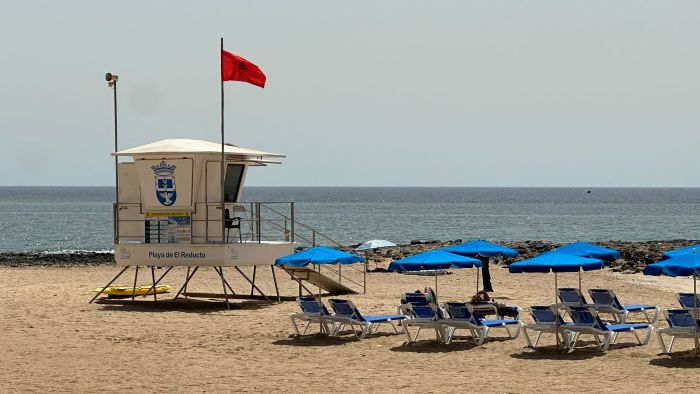





I didn’t plan to stay for three months. The original idea was two weeks, maybe three if the weather held up. But here’s what happens when you land in the Canary Islands with a laptop and no fixed return date: time does something funny. Days stretch out. You stop checking your watch. And before you know it, you’ve been here long enough to have a favourite bakery, a regular beach spot, and opinions about which supermarket does the best wine selection.
- The Weather Isn’t Always Perfect (And That’s Fine)
- You’ll Need to Learn Some Spanish (Or at Least Try)
- The Cost of Living Is Lower, But Not Everywhere
- Island Hopping Sounds Fun, But It’s Tiring
- The Expat and Digital Nomad Scene Is Real
- You’ll Get Used to the Wind
- Hiking Is Better Than the Beaches (Sometimes)
- Locals Are Friendly, But Not Pushy
- You’ll Miss It When You Leave
- Frequently Asked Questions
So what did I actually learn after 90 days bouncing between Tenerife, Gran Canaria, and a brief stint in Lanzarote? Quite a lot, as it turns out. Some of it practical, some of it surprising, and some of it the kind of thing you only figure out when you’re not rushing through on a week’s holiday.
The Weather Isn’t Always Perfect (And That’s Fine)
Let’s start with the big one. Yes, the Canary Islands have great weather. But no, it’s not endless sunshine and 25°C every single day. I arrived in late autumn expecting warmth and got a week of clouds and drizzle in Puerto de la Cruz. The locals weren’t surprised. “It’s the north,” they said, shrugging.
The thing is, each island has its own climate quirks. Tenerife’s north is greener, cooler, and cloudier than the south. Gran Canaria’s interior gets properly cold in winter. Lanzarote can be windy enough to knock you sideways. If you’re planning a longer stay, it’s worth checking the Tenerife weather guide to get a realistic sense of what to expect, especially if you’re fussy about sun.
But honestly? The imperfect weather days were some of my favourites. Fewer tourists, quieter beaches, and a chance to see the islands without the gloss.
You’ll Need to Learn Some Spanish (Or at Least Try)
I thought I’d get by with English. And in the tourist zones, you can. But step outside the resorts and you’ll need at least basic Spanish. Ordering coffee, asking for directions, chatting to your neighbour. It matters.
What surprised me was how patient people were. My Spanish was terrible at first, all present tense and wild guessing. But locals appreciated the effort. They’d slow down, repeat things, even throw in a bit of English to help me out. By month two, I could hold a simple conversation. By month three, I was dreaming in broken Spanish, which felt like progress.
If you’re staying longer than a holiday, download Duolingo or find a local language exchange. It makes everything easier and more enjoyable.
The Cost of Living Is Lower, But Not Everywhere
People love to say the Canaries are cheap. And compared to London or Manchester, sure. But it’s not Thailand. You can live affordably if you shop at local markets, cook at home, and avoid the tourist traps. A meal at a guachinche (a local, family run eatery) might cost you €8. A beer at a beach bar in Playa de las Américas? €5 or more.
Rent varies wildly. I paid €650 a month for a small flat in the south of Tenerife, bills included. Friends in Las Palmas were paying closer to €900 for something similar. If you’re planning to stay a while, join local Facebook groups or check established property platforms for rental listings and cost of living updates.
Groceries are reasonable if you shop smart. Mercadona and Lidl are your friends. Fresh fish, local cheese, and Canarian potatoes are cheap and good. Imported stuff, like peanut butter or certain brands of cereal, costs a fortune.
Island Hopping Sounds Fun, But It’s Tiring
I thought I’d spend my three months bouncing between islands every week. In reality, I did three moves and that was enough. Ferries are cheap and frequent, but packing up, finding new accommodation, and getting your bearings in a new place takes energy.
Each island has a different vibe. Tenerife’s big and varied, with mountains, beaches, and cities. Gran Canaria feels more cosmopolitan, especially in Las Palmas. Lanzarote’s stark and beautiful, but also quite touristy in parts. If you’ve got three months, I’d suggest picking one or two islands and really getting to know them, rather than trying to tick them all off.
The Expat and Digital Nomad Scene Is Real
I wasn’t expecting to meet so many other long term visitors. But the islands are full of remote workers, retirees, and people who’ve just decided to live somewhere sunny for a bit. There are coworking spaces, language exchanges, hiking groups, and beach meetups.
It’s easy to fall into the expat bubble if you’re not careful. I found myself speaking more English than Spanish some weeks, which wasn’t the point. But the community is helpful, especially when you’re figuring out things like getting a SIM card, finding a doctor, or working out which beach has the calmest water.
You’ll Get Used to the Wind
The trade winds are no joke. Some days it feels like the island’s trying to blow you into the sea. Your hair’s a mess, your umbrella’s inside out, and there’s sand in places sand shouldn’t be.
But you adapt. You learn which beaches are sheltered, which cafés have windbreaks, and that a light jacket is always a good idea, even when it’s 24°C. Locals barely notice it. After three months, neither did I.
Hiking Is Better Than the Beaches (Sometimes)
Don’t get me wrong, the beaches are lovely. But the hiking? That’s where the islands really shine. I spent more time walking through pine forests, volcanic craters, and mountain trails than I did lying on sand.
Teide National Park is the obvious one, and it’s worth the hype. But there are dozens of smaller trails that hardly anyone talks about. Anaga in the north of Tenerife is green and misty and feels like another planet. The Roque Nublo hike in Gran Canaria is short but spectacular. And Timanfaya in Lanzarote is like walking on Mars.
If you’re staying a while, invest in decent walking shoes and a water bottle. You’ll use them more than your beach towel.
Locals Are Friendly, But Not Pushy
Canarians are some of the friendliest people I’ve met. They’ll chat, help you out, invite you to local festivals. But they’re not in your face about it. There’s a relaxed, take it or leave it vibe that I really liked.
If you make an effort to speak Spanish, respect local customs, and don’t act like you own the place, you’ll be welcomed. If you treat the islands like a cheap holiday resort and complain that things aren’t like back home, you won’t.
You’ll Miss It When You Leave
I thought three months would be enough. By the end, I was ready to go home, see friends, eat proper curry. But the moment I landed back in grey, drizzly Britain, I missed it. The light, the warmth, the slower pace. The way people say “buen día” when they pass you on a trail. The smell of the sea mixed with sunscreen and grilled fish.
The Canary Islands get under your skin. Not in a flashy, Instagram way. But in a quiet, everyday way that makes you realise you’ve been living a bit differently, a bit better.
Frequently Asked Questions
Is three months long enough to really know the Canary Islands?
Not completely, but it’s enough to get past the tourist surface and start feeling like you live there, rather than just visiting.
Do you need a visa to stay for three months?
If you’re British, you can stay for 90 days in any 180 day period without a visa. After that, you’ll need a longer term visa or residency.
Which island is best for a long stay?
Tenerife’s the most varied and has good infrastructure. Gran Canaria’s great if you want city life and beaches. Lanzarote and Fuerteventura are quieter but can feel a bit small after a while.
Can you work remotely from the Canary Islands?
Yes, the internet’s generally good, especially in the south of Tenerife and Las Palmas. There are coworking spaces and plenty of cafés with wifi.
What’s the one thing you wish you’d known before going?
That it’s windier than you think, and that the best experiences are away from the resorts.
Three months in the Canary Islands taught me that slow travel beats rushing around every time. You see more, feel more, and actually remember it. If you’ve got the time and flexibility, I can’t recommend it enough. Just bring a decent jacket for the wind.