




The Cabildo de Tenerife has approved a proposal to establish an agroecological system for semi-extensive livestock farming in the Teno Rural Park. Led by the Natural Environment, Sustainability, Security, and Emergencies department, this initiative is part of the RENATURMAC (2026-2028) project and involves an investment of €427,290 aimed at making local farming a model of sustainability and circular economy.
The initial project timeline spans 25 months, with the potential for a two-year extension up to 2028 to solidify the outcomes. It aims to modernise traditional grazing methods in Teno, using native plant species and experimental water capture technologies after thorough scientific monitoring of green infrastructures.
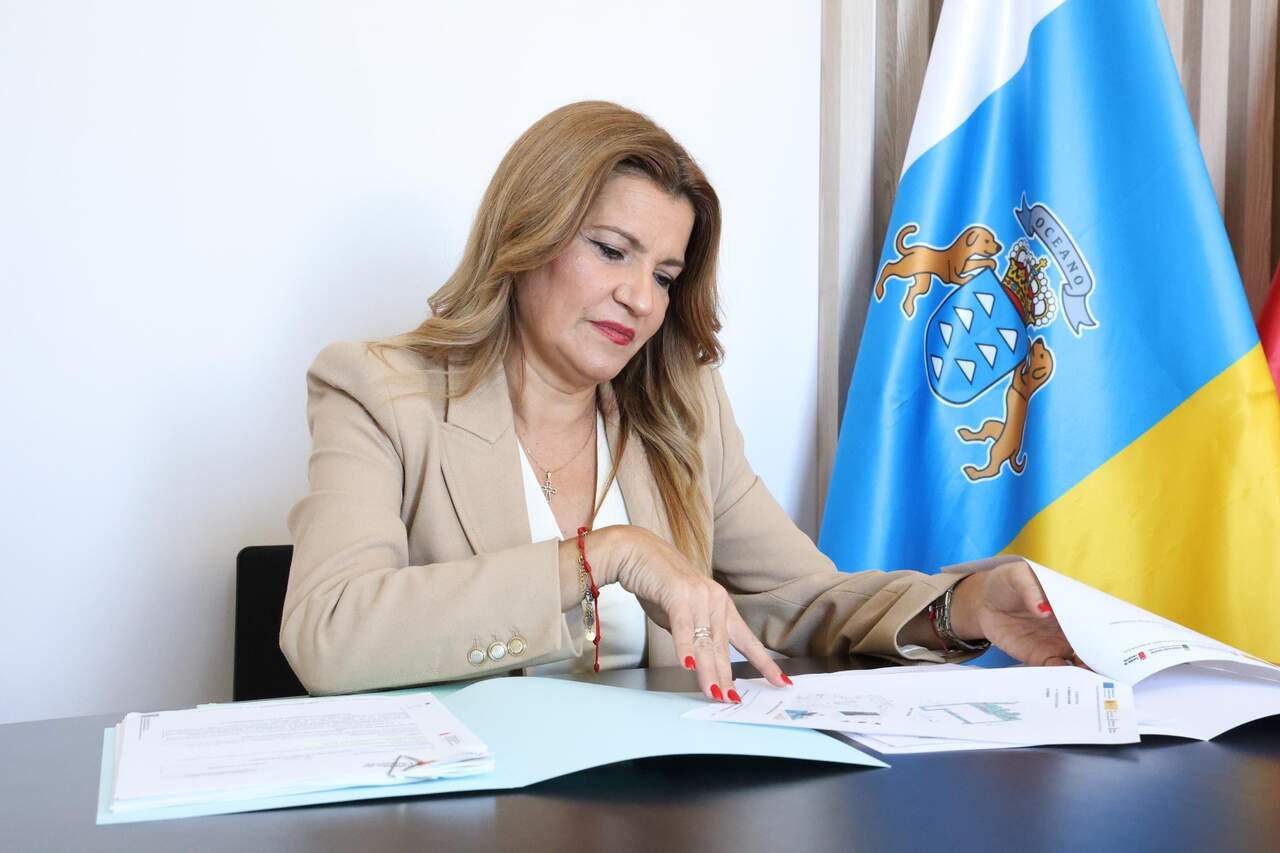
Blanca Pérez, the councilor responsible, emphasised that “this innovative agroecological system further establishes our commitment to the Primary sector and traditional farming in Teno, raising standards of sustainability and scientific rigor.” She highlighted the project’s dual focus: protecting ecosystems while ensuring human activities support conservation rather than threaten it.
The initiative prioritises using local flora for livestock feed, reducing reliance on imported fodder and lessening the carbon footprint of farming operations. Pérez noted, “We envision Teno’s livestock thriving on local resources, also turning by-products like whey into biofertilizers to enrich our volcanic soils.”
The project comprises two main focus areas. The first involves scientific tracking of the green infrastructure to assess how native fodder species affect animal health and the quality of dairy products, with the aim of improving market value. The second focuses on optimising natural resources and promoting a circular economy. This includes trial installations for fog water catchers to assess their feasibility as a water source for livestock and native forage irrigation in hard-to-reach areas.
Moreover, the initiative plans to recycle agricultural waste into useful resources, such as using whey and vermiculture leachates to produce biofertilizers, enhancing local soil microbiota. There are also plans to enrich pastures with local fruit tree varieties to develop a ‘dehesa’ in Teno Alto.
Ultimately, framed within the RENATURMAC programme, the project aims to adapt to climate change and reduce carbon emissions by lessening dependence on imported fodder, thus supporting sustainable local farming and preserving the unique cultural and ecological heritage of the archipelago.