




Heat Wave Disrupts Outdoor Work in the Canary Islands
A study published in The Lancet reveals that European outdoor workers lose on average 24 hours a year due to high temperatures, with the Canary Islands facing the greatest disruption in the continent. Experts are calling for adaptation measures as heatwaves, particularly frequent on islands like Fuerteventura and La Palma, increase due to climate change.
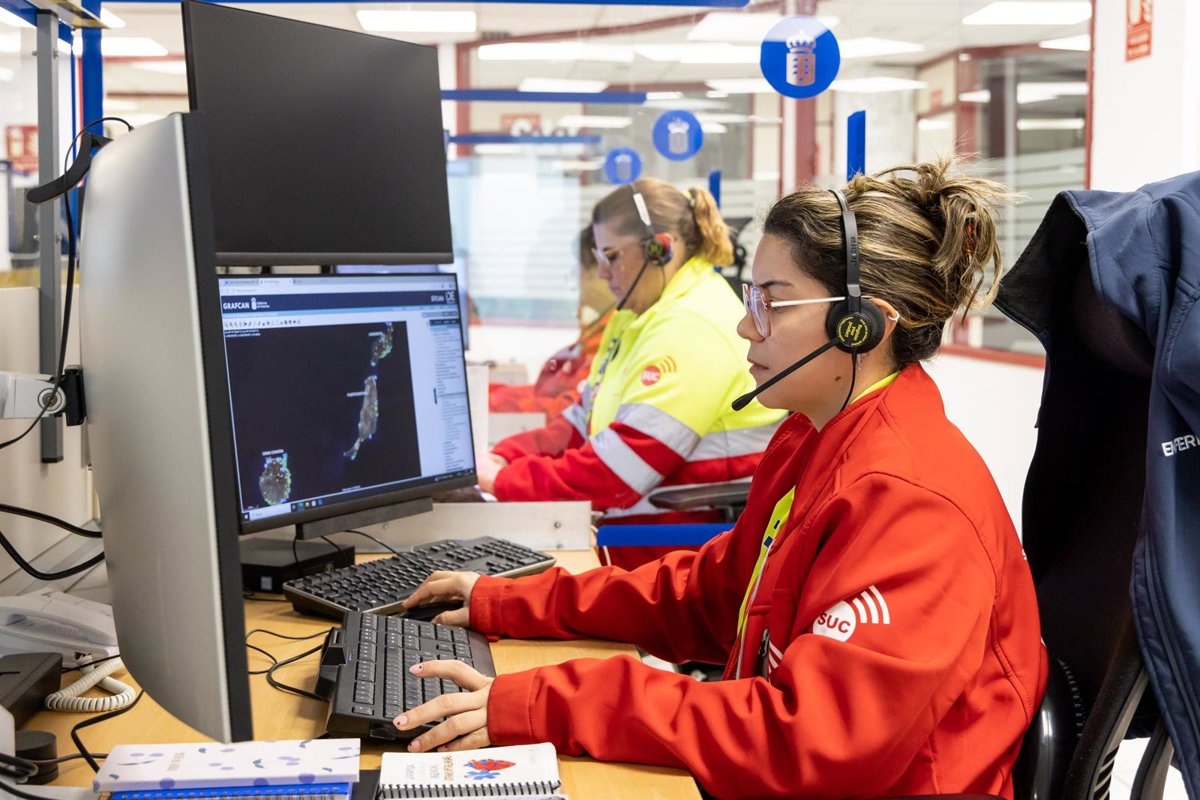
Ciani, a 39-year-old waitress at a Gran Canaria hotel, finds herself working through the intense heat as temperatures exceed 40 degrees Celsius, compounded by dust storms that render the air nearly unbreathable. “The rush stops you from taking a break, but I prioritise my health,” she insists, noting she’ll rest if needed, despite any pressure from her employer.
The Canary Islands are the European region most affected by high temperatures interrupting outdoor work, according to the study. Cyprus and Greece’s Attica region follow closely, while regions like Salzburg in Austria and northern Italy see less impact.
Thermal stress from extreme heat reduces physical and cognitive function, raising the risk of workplace accidents. Carmen Marrero, Secretary of Workplace Health at the Comisiones Obreras (CCOO), warns that workers may not realise they are suffering health issues until it’s too late.
The study notes that outdoor work begins to suffer when average annual temperatures reach approximately 9.9 degrees. In 2025, the average temperature in the Canary Islands hit 18.8 degrees—0.4 degrees above normal, while mainland Spain recorded 15 degrees with a 1.1-degree anomaly.
As the climate warms, heat episodes become more intense, contributing to significant work disruptions. In the years 2020-2023, outdoor workers across Europe lost around 24 hours annually to extreme temperatures.
While the Canary Islands have a lower number of workers in heat-exposed sectors like agriculture (2.2%) and construction (6.2%), they have a significant 86.6% of their workforce in the services sector. Employees serving drinks, cleaning hotel rooms, and maintaining gardens are specially impacted by rising temperatures.
Canary Islands authorities currently lack a regional heat risk prevention plan. Recently launched campaigns from the Canary Island Labour Safety Institute (ICASEL) are limited, according to the Tourism and Employment Ministry, which states that measures depend on collective agreements and company policies.
Marrero calls for dynamic health protocols in the workplace, particularly highlighting the importance of working in pairs to ensure safety in extreme conditions. Dr. Elizabeth Diago from the Institute of Global Health in Barcelona stresses that companies must specifically address thermal stress in their risk prevention plans, including guaranteed access to drinking water and scheduled breaks in cool environments.
In 2024, only seven heat-related workplace accidents were reported in the Canary Islands, a number likely underestimated due to the nature of how heat-related issues present in statistics. Many workers with chronic conditions may not seek medical attention for fears of losing pay or their jobs. Marrero highlights the necessity for ongoing training to inform workers about the health risks associated with extreme heat conditions, stating that many cases never reach official reporting channels.