

Giant Wedding Cake Takes Centre Stage for Mozart’s The Marriage of Figaro
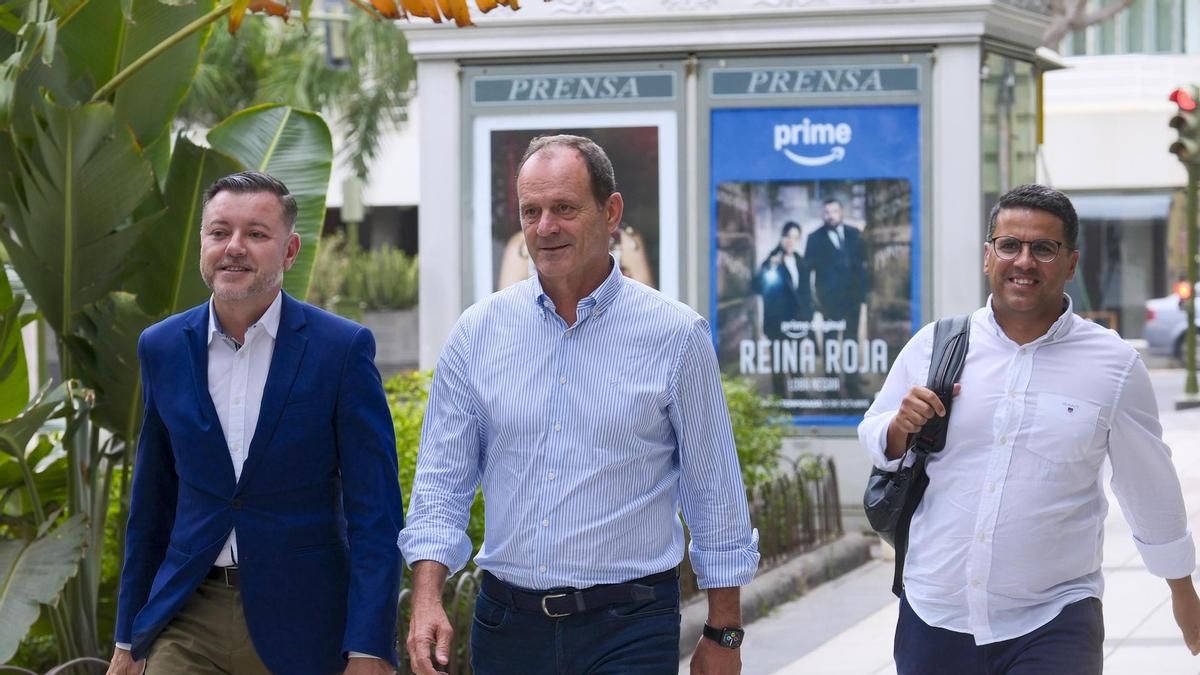
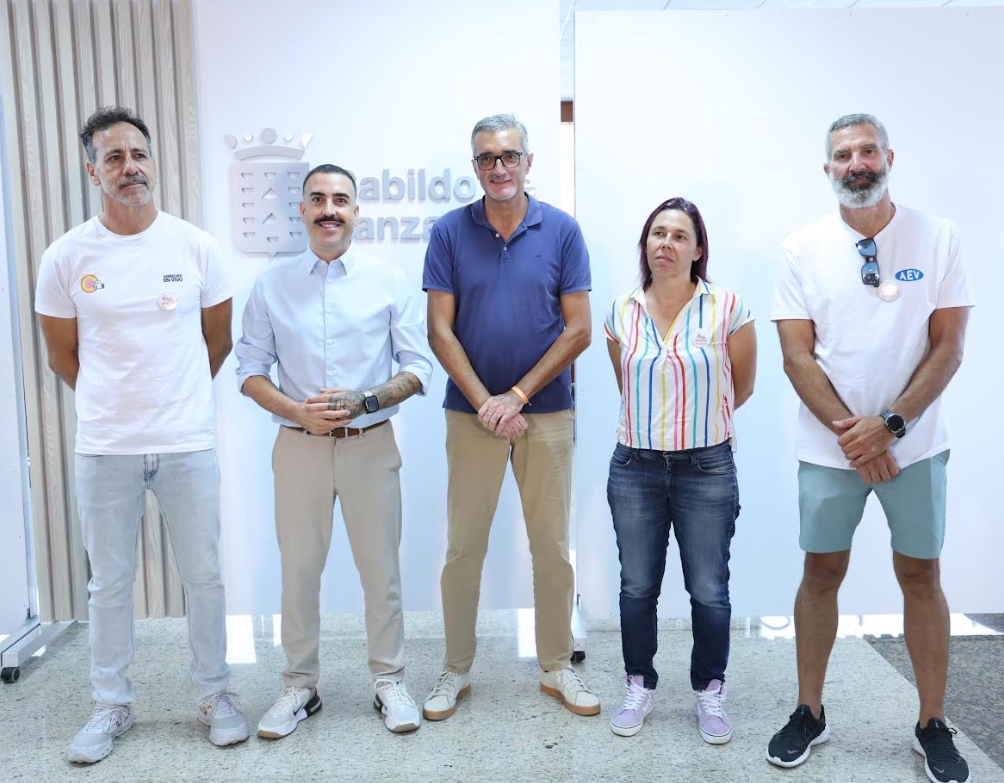
The Tenerife Auditorium launches its opera season with four performances of Le nozze di Figaro (The Marriage of Figaro), featuring a massive wedding cake symbolising the social layers in Mozart’s comedic opera. The shows will take place on Sunday 11th, Tuesday 13th, Thursday 15th, and Saturday 17th. Key details were shared by José Carlos Acha, Tenerife’s Culture, Museums, and Sports councillor; José Luis Rivero, the Auditorium’s artistic director; Pablo González, the opera’s musical director; and director Marta Pazos.
Acha stated this is a co-production with Barcelona’s Gran Teatre del Liceu, led by Pazos, who brings an exciting interpretation to this “rich” opera. He noted that general tickets start at €30, with reduced prices of €10 for under-30s, and a season ticket for just €140 or €190, depending on performance days. Young people under 30 can subscribe for only €35.
Rivero expressed his enthusiasm for starting the new season following a pre-season of smaller operas. He described this project as a perfect metaphor for the class structure Mozart critiqued, highlighting the misuse of power and the overlapping privileges of the elite, which remains relevant today.
Pablo González thanked everyone for making this Mozartian journey possible, praising the excellent music composition shared between Mozart and his librettist Da Ponte. He expressed his happiness to debut with the Tenerife Opera, performing alongside talented musicians and a wonderful cast.
Director Marta Pazos revealed that the production reflects three years of collaborative work designed for both venues. She aimed to recreate the original impact of the opera’s debut, which was revolutionary. Pazos explained the wedding cake concept as a beautiful exterior hiding potential darkness, emphasising the strength and agency of the female characters through sisterhood.
Cast members Leonor Bonilla and Jan Antem shared their excitement about their roles. Bonilla, recalling her first visit 12 years ago, expressed her delight in returning, while Antem, making his debut as Figaro, described the role as a dream come true.
The creative team includes stage manager Silvia Aurea De Stefano, set designer Max Glaenzel, lighting designer Nuno Meira, costume designer Agustín Petronio, and choreographer Andreas Heise, with local dancer Rober Gómez leading the dancers from the International Dance Centre Tenerife.
The cast features Bonilla as Susanna and Antem as Figaro, alongside José Antonio López as Count Almaviva and soprano Lianna Haroutounian as the Countess. The ensemble also includes Rafael Quirant as Cherubino, with other roles performed by Léontine Maridat-Zimmerlin, Wojtek Gierlach, David Barrera, Ruth González, Cristian Díaz, Alberto Ballesta, and Arantxa Cooper.
Pablo González leads the musical direction, supported by fortepianist Hana Lee and cellist Diego Pérez, with the Tenerife Opera Chorus directed by Miguel Ángel Arqued.
This four-act comic opera by Wolfgang Amadeus Mozart and Lorenzo Da Ponte presents the tensions between social classes, challenging aristocratic privileges. First premiered in Vienna in 1786, it was based on Beaumarchais’ play La folle journée ou Le mariage de Figaro, part of a controversial trilogy critiquing the aristocracy.
For this season, the Cabildo continues its Lanzadera Ópera initiative, offering free transport from Adeje and Buenavista to the Tenerife Auditorium for all performances. Tickets can be reserved online at www.operadetenerife.com until 12:00 on the day before each show.
Tenerife Opera also offers the Club Ópera subscription, priced between €140 and €190, or €35 for younger members, including guaranteed entry to seven operas and various benefits.
Tickets are available for general sale at €30, or €10 for under-30s, through the Auditorium’s website, at the box office, or by calling 902317327. Discounts are available for students, job seekers, and large families.
Tenerife Opera is an initiative supported by the Insular Council and sponsored by the Canarian Institute of Cultural Development and Spain’s National Institute of Performing Arts and Music.