




Residents of Tenerife Facing Health Risks from Pollution and Overcrowding
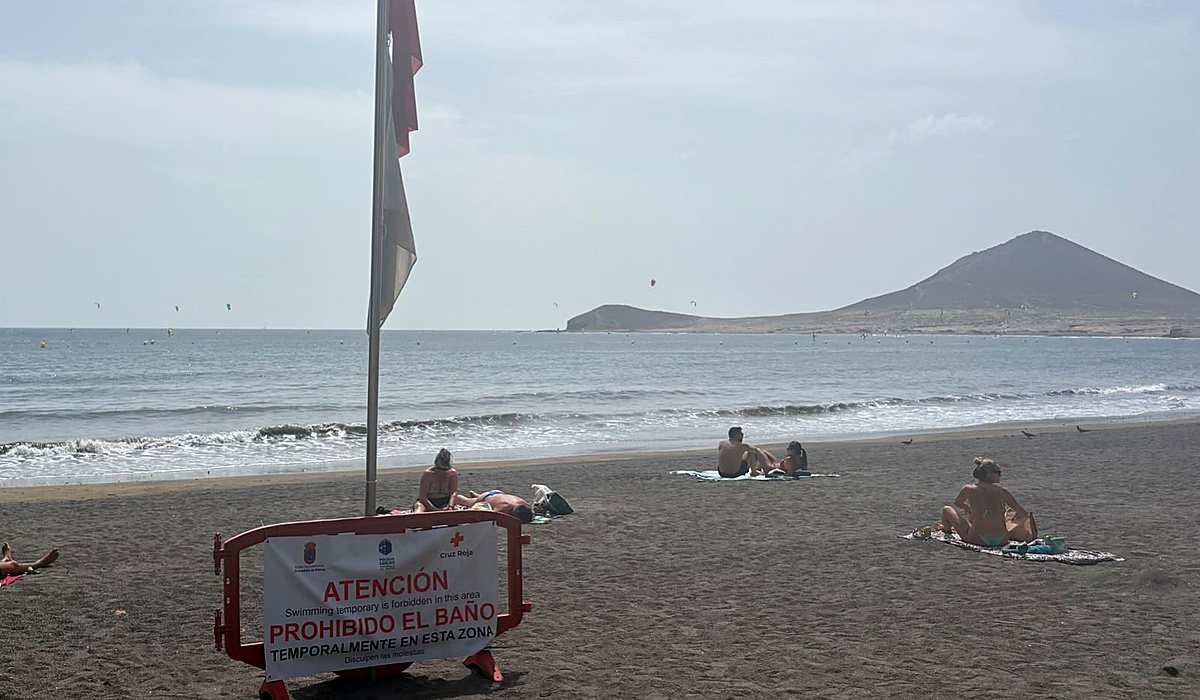
Tenerife’s beaches are increasingly becoming unsafe due to overpopulation and rising faecal pollution, a public health issue concerning local communities. Alba Domínguez, a 27-year-old resident of El Sauzal, noted the difficulty in finding clean swimming spots. After experiencing high temperatures, Domínguez hesitates to visit popular beaches, notably El Médano, which recently closed due to elevated E. coli levels on 6 July. The municipality recorded 800 colony-forming units (CFU) of the bacteria per 100 ml of water, well above the European Union’s acceptable limit of 250 CFU.
The local government remains uncertain about the cause of this contamination, but experts warn that ongoing urban and tourist pressures alongside outdated sanitation infrastructure are leading to more frequent beach closures. Juan Rumeu, president of the Canary Island Environmental Consultants Association, confirmed receiving monthly reports from visitors suffering illnesses linked to swimming in contaminated waters.
Concern has also been voiced regarding the disinfectants used to treat polluted beaches, which could introduce harmful compounds. Environmental groups demand more transparency and immediate notifications about water quality, as locals remain dangerously uninformed during the critical 72-hour waiting period for test results.
Reports highlight untreated or inadequately treated wastewater as a source of serious pathogens, which could trigger various health problems. The World Health Organization identified risks from viruses like Hepatitis A and bacteria that can cause severe gastrointestinal issues.
Residents are feeling a deep sense of loss over their connection with the sea, leading many to seek alternative swimming options, like private pools. With over 30% of the population at risk of social exclusion, public beaches have become increasingly inaccessible due to health concerns and overcrowding.
The situation is not unique to Tenerife; other Canary Islands are facing similar challenges. Beaches in Lanzarote and Gran Canaria have experienced closures due to faecal contamination. The escalation of pollution has led to significant economic repercussions, with closures damaging local tourism.
Poor waste management has generated widespread concern, prompting Fodor’s to list the Canary Islands among destinations to reconsider visiting. According to officials, over 100 million litres of inadequately treated sewage are dumped into the ocean daily.
As calls for urgent intervention grow, experts stress the need for robust policies to address these long-standing issues. A recent ruling by the Court of Justice of the European Union found Spain in violation of obligations concerning wastewater treatment, highlighting a systemic failure to safeguard public health and the environment.