

Canary Islands Government Reaches Multimillion-Euro Settlement with Business Owners
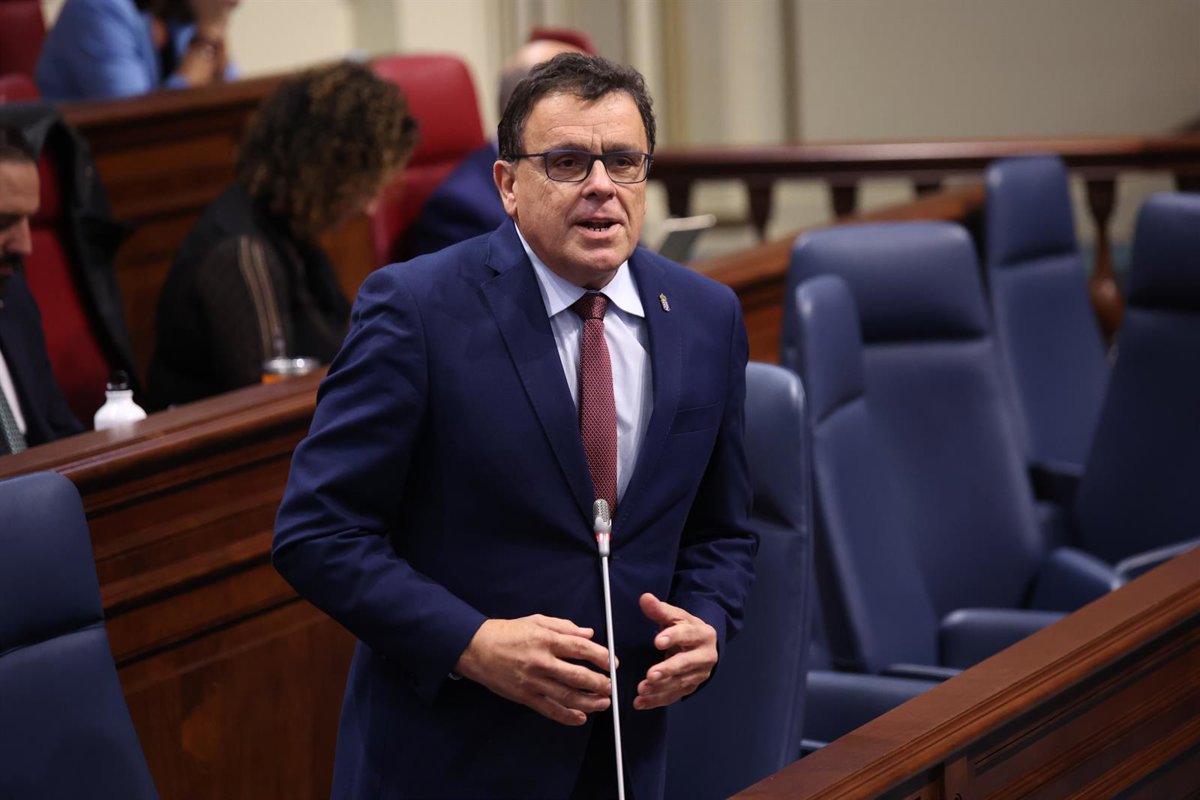
SANTA CRUZ DE TENERIFE, 9 October – Manuel Miranda, the Canary Islands’ Minister for Territorial Policy, announced on Friday that an out-of-court settlement with business owners regarding moratoriums from 2009 has been reached. He described the agreement as a “good deal” that helps the region avoid a significant economic crisis.
Miranda stated, “We are very calm about what we have done. We resolved a problem that has persisted since 2017. An agreement has been finalised, and there will be no more claims from the parties involved.”
The settlement, valued at €316 million, is supported by the Government’s legal services and is viewed as favourable for public finances, given that disputes could have escalated to nearly €1 billion. Miranda acknowledged the deal reduces the burden on the government, which had previously struggled with unclear compensation criteria.
He criticised prior administrations for failing to implement Article 17.1 of the urgent measures law during their four-year tenure, which he claimed perpetuated the issue.
The agreement addresses long-standing legal disputes, now court-approved, with Miranda emphasising that it prevents future administrations from facing the same issues. He countered concerns that the agreement contradicts demographic strategies by asserting that the government will continue to seek land for housing across the archipelago.
Opposition members expressed apprehension over the settlement. Esther González (NC-bc) pointed out that the government is now responsible for the largest compensation in its history, contrasting it with earlier judicial rulings that resulted in “zero compensation”.
González argued that this operation seems to favour private interests over the public good, citing historical cases that led to convictions of businesspeople and political leaders.
Meanwhile, Nayra Alemán (PSOE) highlighted the agreement’s timing, coming as thousands demand better access to housing. She noted the irony in paying substantial sums in compensation while land for public housing remains scarce, raising concerns about lost opportunities for strategic land development.
Alemán questioned the ultimate cost to the Canary Islands, stressing that both public funding and the chance to develop much-needed housing were forfeited. She called for the government to reflect on how private interests align too closely with public policy decisions.