

In Tenerife’s bustling south, tracking work hours is particularly challenging in the hospitality and tourism sectors. Unlike standard offices, restaurants and hotels often have split shifts and changing schedules, making accurate recording of hours difficult. Seasonal staff and a high turnover further complicate matters.
The issue has come to the forefront as the Ministry of Labour proposes a new decree demanding a digital, tamper-proof work hours registry, accessible remotely by inspectors. Though not yet approved, businesses already using signature sheets are considering the switch.
One of the main obstacles for hospitality is the nature of the work: shifts can vary daily, with extra staff often brought in on short notice. This can result in errors related to split shifts and varied hours. Moreover, industry norms include last-minute changes and overtime that arise unexpectedly.
Since 2019, Spanish law has required all companies, regardless of size, to maintain a daily, objective record of workers’ hours, including start and finish times, which must be kept for four years. For part-time workers, this data must be calculated monthly and provided alongside payslips. Self-employed individuals with employees must also record staff hours, although not their own.
The proposed changes will replace paper records with a digital system, ensuring every correction is recorded alongside its author and timestamp. Workers will be able to access their own hour records, and there will be stronger oversight on overtime. However, the initiative faced criticism from the Council of State and concerns from the Spanish Agency for Data Protection.
As the Ministry of Economy has requested a longer transition period for small businesses, the final details of the proposal remain to be seen, with the document yet to be published in the official gazette.
During inspections, labour advisors note specific red flags in seasonal businesses, such as identical daily records, a lack of reported overtime during peak periods, and discrepancies between recorded hours and payroll figures.
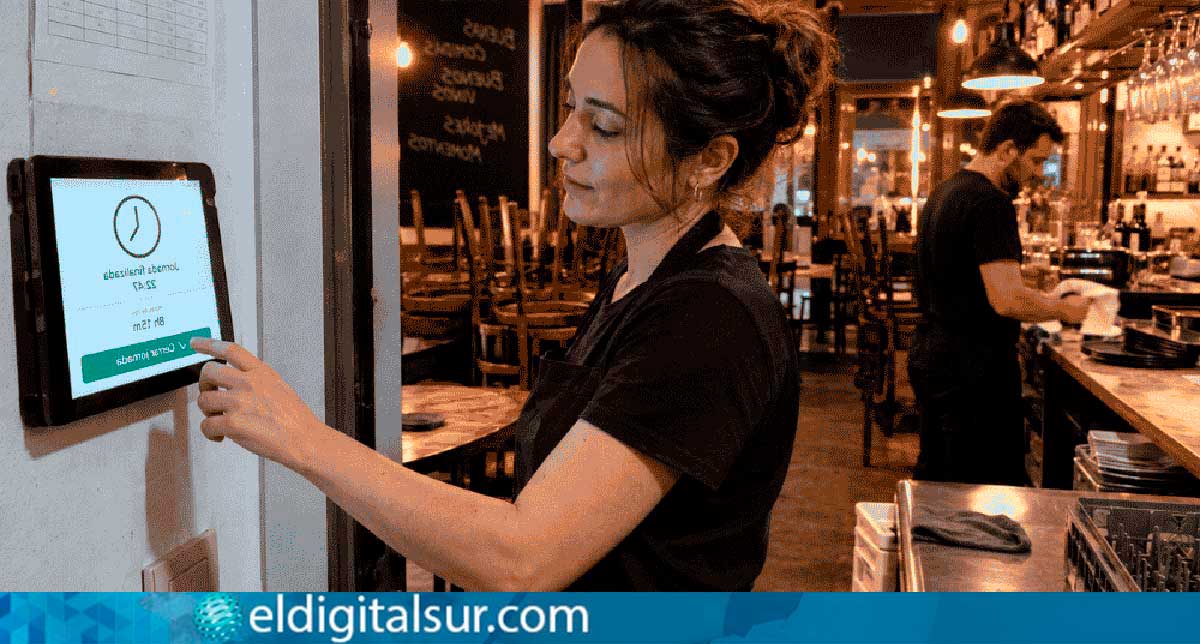
To comply, businesses do not need expensive terminal installations; simple solutions include mobile or tablet-based registrations that ensure individual identification and accurate logging of breaks. Fast onboarding and proper documentation for seasonal employees are also crucial.
In seasonal businesses, managing time off can be complex, with vacation overlaps and last-minute changes leading to confusion about remaining leave. Many companies now centralise absence management, using software to document requests and approvals, streamlining the process.
Choosing the right system for a small business means prioritising simplicity and cost-effectiveness, along with the ability for seasonal staff to register hours via their own mobile devices. Bixpe offers a tailored solution for small businesses, featuring multi-device clocking, optional geolocation, and absence management.
Ultimately, while no system guarantees legal compliance by itself, ensuring rigorous adherence to current regulations will prepare businesses for upcoming changes.