



Victims of Child Abduction Search for Lost Identities in “Cosmos” Exhibition
Vicente Macías knows his birth date but remains in the dark about the 27 days leading up to his registration at a care home. Similarly, Dácil Vera believed she was the biological child of her adoptive parents until she discovered at 40 that she was not. Their stories reveal a shared pain: a fractured identity and the ongoing quest to reconstruct their pasts.
They are among the voices featured in “Cosmos,” a photographic project by Espe Pons commissioned by the Canary Islands government. This work sheds light on the decades-long issue of child abduction in the Canaries, revealing a narrative filled with silence, elusive documents, and families still seeking answers.
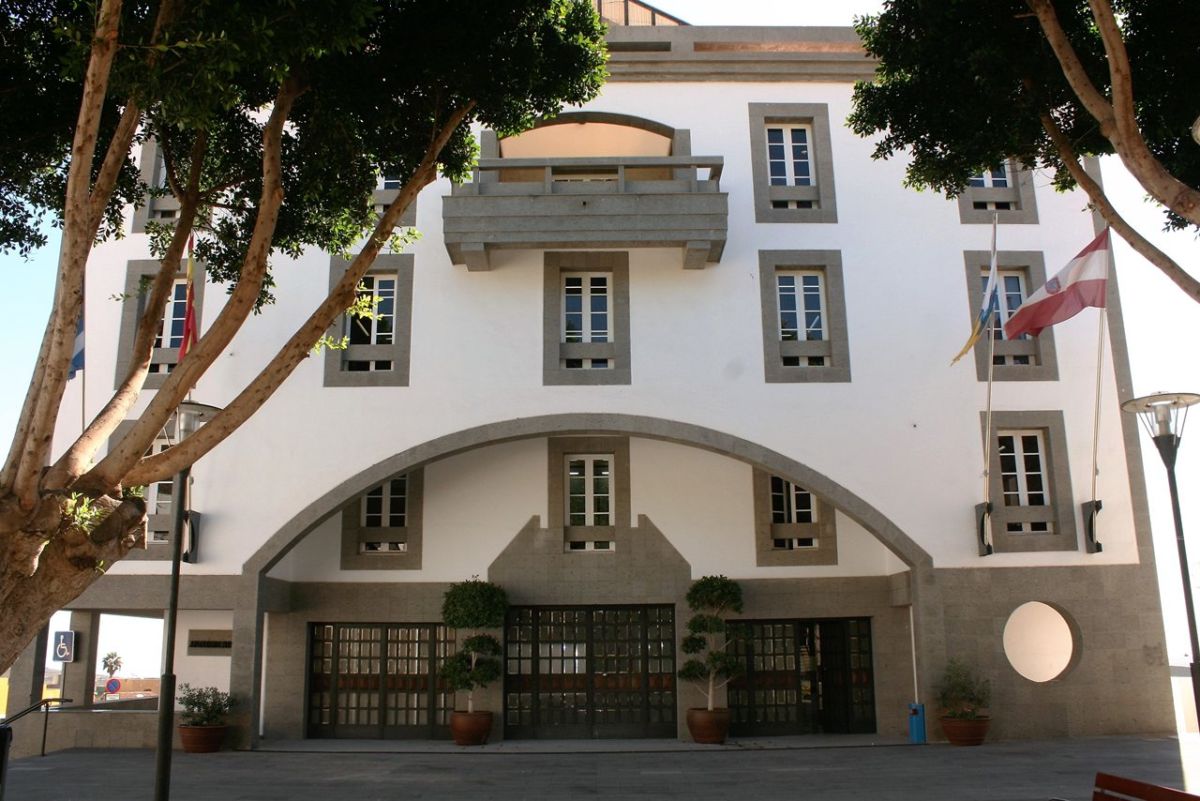
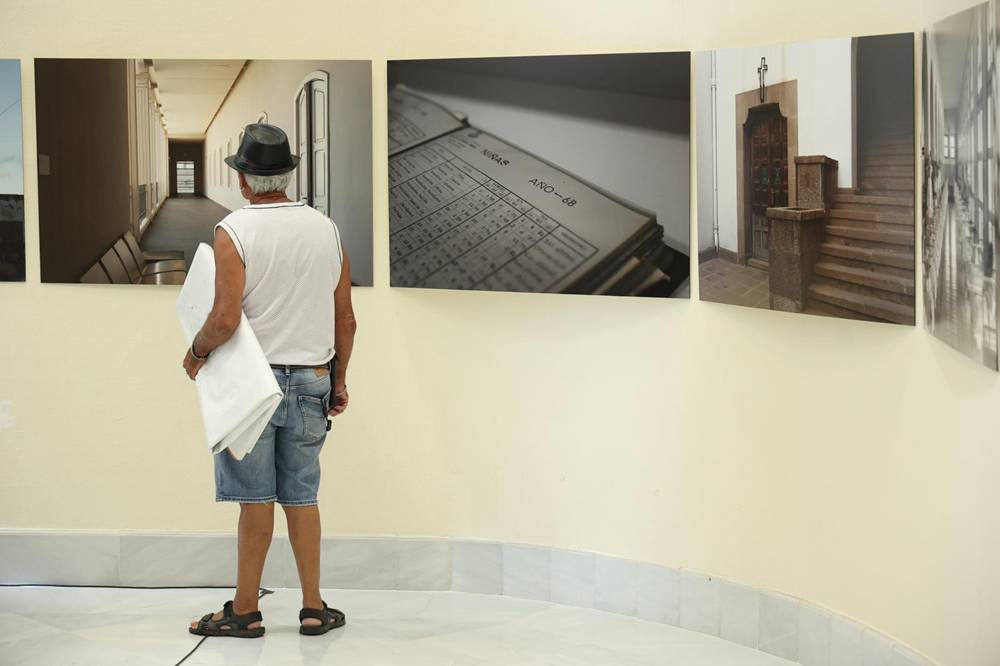
Over two years, Pons has researched this complex reality, exploring archives, former care centres, hospitals, and prisons, while listening to victims, mothers, and others wishing to remain anonymous. From more than 60 photographs, 13 have been selected for display at the Canary Islands Parliament, featuring locations such as the former Casa del Niño in Las Palmas and the old hospital of Santa Cruz. The exhibition concludes at the Forensic Genetics Laboratory in Las Palmas, where a DNA extraction image suggests a possible way forward in this labyrinthine issue.
Dácil learned she was adopted from Madrid under dubious circumstances after overhearing her adoptive mother disclose she had never given birth. This revelation has left her seeking her biological family, a journey hampered by her struggles to access necessary documents. After speaking with her late mother, Dácil found out her adoptive parents travelled from the Canaries and paid 180,000 pesetas for her. “The only thing they couldn’t take from us is our DNA,” she asserts, as she remains hopeful that genetic testing might connect her with distant relatives.
Vicente Macías’s story begins with similarity; he was born on 20 April 1974 but is registered in documents as having entered a care home in Santa Cruz on 17 May, leaving a 27-day gap of uncertainty. Jokingly, he quipped about being clever enough to wander off, but the light-heartedness masks a tragic reality he has spent decades trying to unravel. His documents confirm his arrival and departure but provide little clarity on his time there, lacking illness records or medical visits. Vicente accidentally learned of his adoption at 22 while preparing a project and continues to seek answers, facing repeated obstacles even with DNA evidence indicating contradictions in his identity.
The heart-wrenching tale of Dolores Guerra contrasts with those of Dácil and Vicente, illustrating the plight of women like her who lost their children. Her daughter, taken from her immediately after birth in 1992 at the Materno Infantil Hospital in Las Palmas, remains missing. Dolores was told her child had hydrocephalus and that tests were necessary, but she never received her baby or any documentation regarding her death, casting uncertainty on whether her daughter might have survived.
Jorge Rodríguez, president of the Colectivo Sin Identidad, highlights the collective suffering endured by those still searching for their identities. He lamented how many victims died without ever knowing their origins, having sought identity documents for decades. According to Rodríguez, vital records that should have been safeguarded are now inaccessible, leaving these individuals “the most unfortunate in this country” due to their civil invisibility and lack of biological connections.
The “Cosmos” exhibition represents more than mere photography. It brings visibility to the stories of those denied the chance to search for their origins and those who passed away without knowing their true identities. For individuals like Dácil and Vicente, it highlights their ongoing search for a narrative disrupted by silence and bureaucratic hurdles.