



The Technical Commission for Historical Memory of the Canary Islands reported on Tuesday on ongoing efforts to locate, exhume, and identify victims of the Franco dictatorship, with a total investment of €74,804.
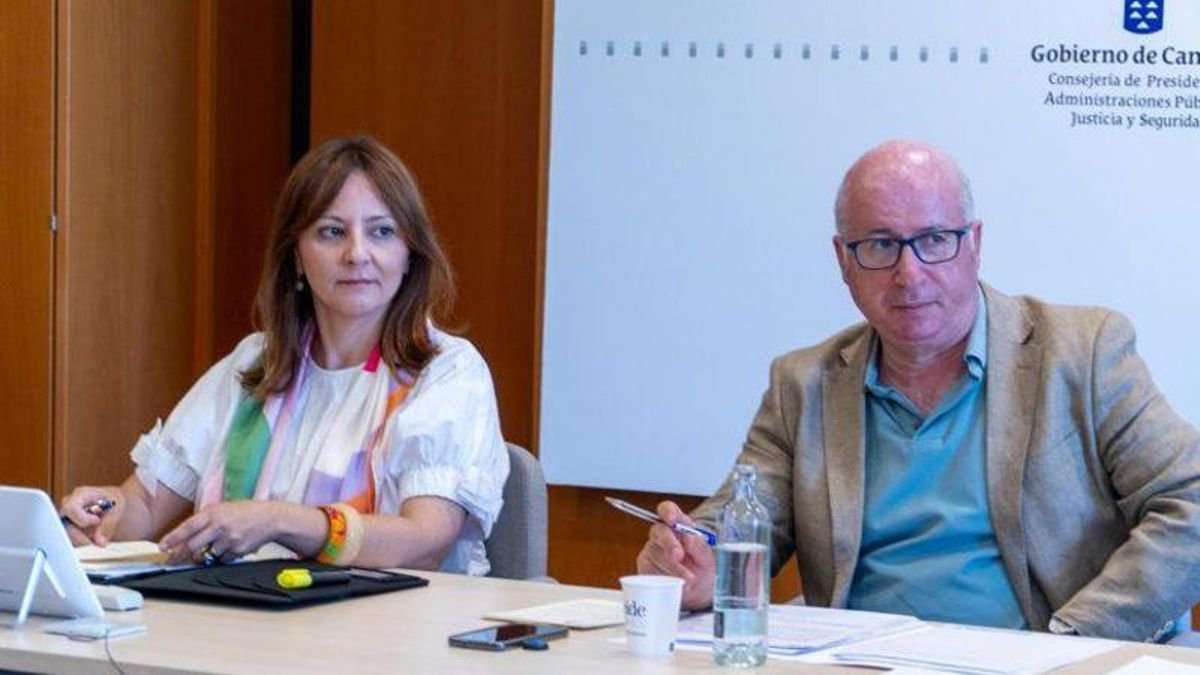
Chairing the meeting, Regional Minister for Presidency, Public Administration, Justice, and Security, Nieves Lady Barreto, outlined these initiatives, funded by the Vice-Ministerial office of Justice and Security and additional contributions from the Ministry, following a recent agreement by the Territorial Council for Democratic Memory on April 24.
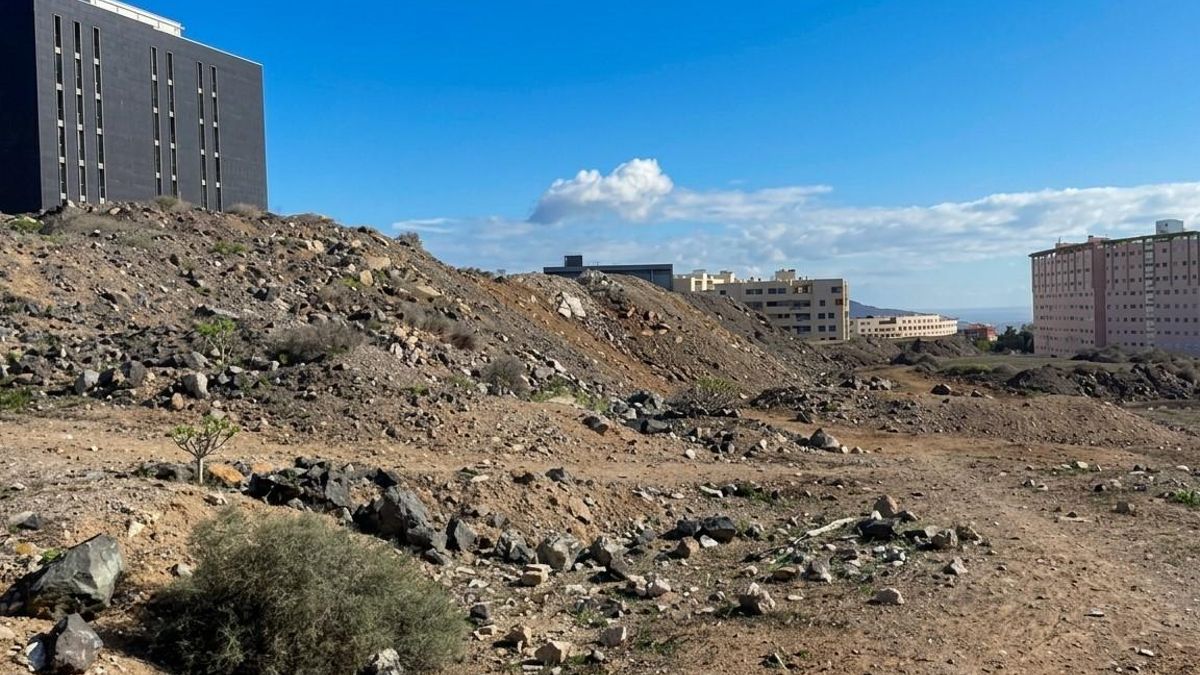
The commission highlighted various projects, including the exploration of the La Vuelta del Francés grave in Arucas and efforts to locate burial sites of prisoners in the Los Rodeos work camps in La Laguna. There is also an ongoing project to research and catalogue detention centres that housed victims during the Civil War.
The commission confirmed that the upcoming official event for the Canary Islands Day of Historical Memory, set for May 7, will take place in Arucas. Additionally, they discussed a request by the Family Association for documentation related to victims buried in the Vegueta Cemetery.
In editorial matters, they announced the publication of “La Capital del Miedo” by Luis Ortega, part of the Memory and Democratic Culture series. The book focuses on Tenerife’s role during the uprising and subsequent repression, featuring testimonies and journalistic sources that explore social, economic, and cultural impacts.
The commission also presented a work by Rosalba Rodríguez de la Sierra Escobar, which restores the memory of her Canary Island roots, blending family narratives with historical research. Historian Sergio Millares assists in interpreting the documentary and oral sources.
Lastly, to commemorate the Day in Memory of Stolen Children and Their Families, the Minister announced the opening of the photographic exhibition “Cosmos” by artist Espe Pons on Thursday, September 3, at the Canary Islands Parliament. The exhibition, which addresses the abduction of children during Franco’s regime, will remain open until September 19 and deals with themes of identity, silence, truth, and the reparations owed to victims and their families.