




Many of us know that feeling when December rolls around and you’re already tired of the cold? When the thought of another grey, drizzly Christmas makes you want to book a flight somewhere warm before you’ve even put the tree up?
That’s exactly why thousands of Brits head to the Canary Islands every Christmas. And honestly, they’re onto something.
The Canaries in December aren’t just an escape from the weather. They’re a proper alternative to the whole traditional Christmas thing, without losing the magic. You get sunshine instead of sleet, beaches instead of frozen car parks, and a kind of relaxed festive atmosphere that feels surprisingly right once you’re there.
Let me walk you through why this works so well, and what you actually need to know if you’re thinking about it.
The Weather Actually Delivers
First things first: yes, it really is warm enough.
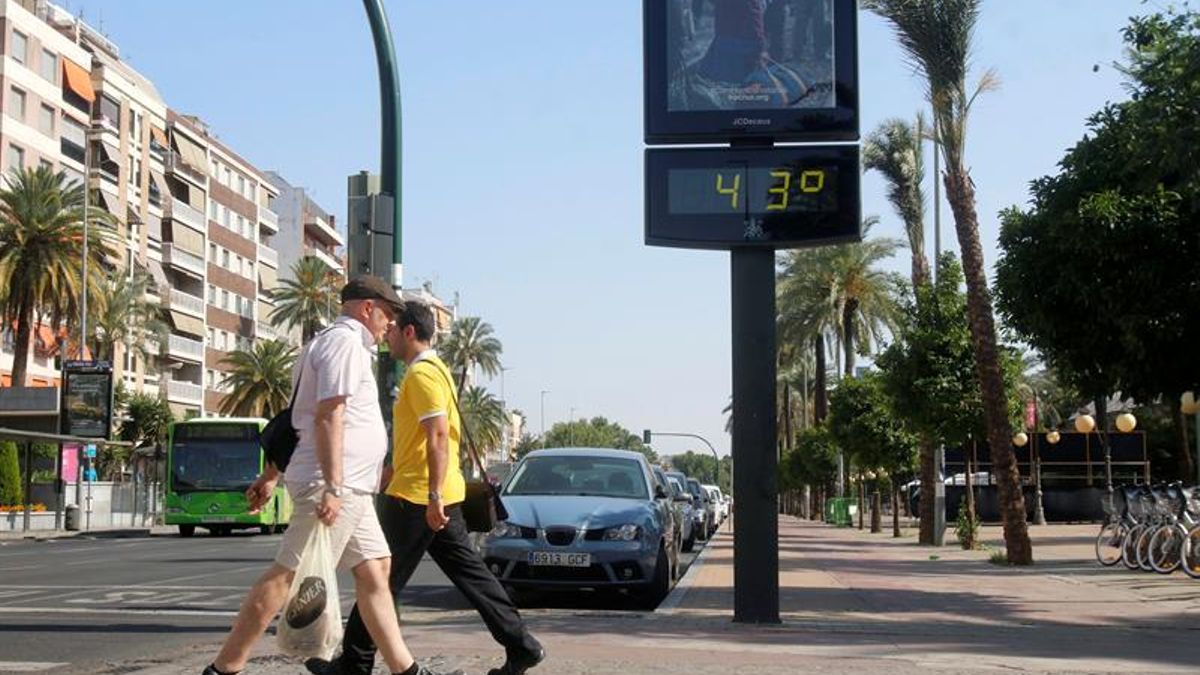
December temperatures in the Canary Islands sit around 20 to 22 degrees during the day. That’s t-shirt weather. You can swim in the sea (it’s about 19 degrees, which sounds cold but feels fine once you’re in). You can eat breakfast outside. You can go for a walk without layering up like you’re heading to the Arctic.
Tenerife, Gran Canaria, Lanzarote, Fuerteventura… they all get this lovely mild winter climate. Some days you might need a light jumper in the evening, but that’s about it. No rain jackets, no scarves, no defrosting the car at 7am.
It’s not blazing hot like summer, which actually makes it better for doing things. You can hike, explore towns, sit by the pool without melting. The sun’s still strong enough to feel like a proper holiday, but gentle enough that you’re not hiding indoors by midday.
Christmas Still Happens (Just Differently)
Here’s the thing people worry about: will it feel like Christmas at all?
The answer is yes, but in a quieter, less commercial way. And for a lot of people, that’s the appeal.
You’ll see decorations in town squares. Restaurants put on special Christmas menus. Hotels do festive dinners, sometimes with all the trimmings if that’s what you want. There are nativity scenes (they take those quite seriously in Spain), Christmas markets in some places, and a relaxed holiday vibe without the stress.
But you won’t get the full British Christmas experience. No one’s pretending otherwise. If you want crackers, Queen’s speech, and arguing with relatives over board games, this isn’t that. What you get instead is space to breathe, good food, sunshine, and the option to make Christmas feel however you want it to.
Some families do a beach day then a nice dinner. Others hike in the morning and open presents by the pool. It’s flexible. That’s the point.
Which Island Works Best?
They’re all good, but they do feel different.
Tenerife is the most popular for Christmas, partly because it’s easy to get to and has loads of options. The south coast (Costa Adeje, Los Cristianos) is sunny and family friendly. Puerto de la Cruz in the north has more character and feels properly Spanish. You’ve got Teide National Park if you want dramatic scenery, and enough restaurants and activities that you won’t get bored.
Gran Canaria is similar but slightly less touristy in parts. Maspalomas has the dunes and long beaches. Las Palmas (the capital) is a proper city with culture, shops, and a local feel. Good if you want a mix of beach and urban life.
Lanzarote is quieter and more about the landscapes. Volcanic, striking, a bit arty. It’s lovely if you want calm and don’t need constant entertainment. Families with young kids might find it a bit limited, but couples and older travellers often prefer it.
Fuerteventura is the windiest and most beach focused. Great for water sports, long empty stretches of sand, and doing very little. Not loads going on otherwise, which is either perfect or boring depending on what you’re after.
What to Actually Do
Christmas in the Canaries isn’t about ticking off attractions. It’s more about slowing down and enjoying simple things.
Swim in the sea. Walk along the coast. Sit in a plaza with a coffee and watch people. Eat fresh fish at a local restaurant. Hike if you’re into that (the trails are beautiful and not too hot in winter). Visit a market. Read a book by the pool.
Some people do day trips: whale watching, visiting volcanic parks, exploring old towns. That’s all there if you want it. But the real appeal is having the freedom to do nothing much and feel good about it.
On Christmas Day itself, most things are quieter. Shops close, some restaurants too. Hotels usually put on something special. It’s worth booking ahead if you want a particular meal or experience, because spaces fill up.
According to Visit Spain, the Canary Islands see a big spike in visitors over the festive period, so you’re definitely not alone in choosing this option.
The Practical Bits
Flights from the UK are frequent and relatively cheap, even in December. You’re looking at about four to five hours. Most major airports have direct routes.
Accommodation ranges from budget apartments to fancy resorts. Prices go up around Christmas week, but it’s still reasonable compared to other European winter sun destinations. Booking early helps.
You don’t need a visa (at least not yet, post Brexit rules are still fairly simple for short stays). The currency is euros. English is widely spoken in tourist areas, though learning a few Spanish phrases always goes down well with locals.
Car hire is easy and gives you freedom to explore. Roads are good. Parking can be tricky in busy towns but manageable.
Frequently Asked Questions
Is it expensive to spend Christmas in the Canary Islands?
It’s more expensive than going in, say, February, but not wildly so. Flights and hotels cost more during peak season, but eating out and activities are still affordable. You can do it on a budget if you’re sensible, or splash out if you want to.
Will my kids enjoy it?
Most do, yeah. Beaches, pools, sunshine, and a break from school… it’s a pretty good combo. Some families worry about missing “proper Christmas,” but kids adapt fast. Bring a few small traditions with you (stockings, a favourite film) and they’ll be fine.
Can you get a traditional Christmas dinner?
Yes, if you want one. Lots of hotels and British run restaurants offer turkey, stuffing, the works. But you’re also in Spain, so you might want to try their version: seafood, roast lamb, local wines. Both options exist.
Is it busy?
Christmas week is one of the busier times, especially in family friendly resorts. But it’s nothing like summer crowds. You’ll find quiet spots easily enough, and the islands are big enough to spread people out.
What if the weather’s bad?
It rarely is in December, but it can happen. If you get a rainy day, there are museums, shopping centres, spas, and indoor activities. It’s not the end of the world, and it usually clears up quickly.
Final Thoughts
Look, Christmas in the Canary Islands isn’t for everyone. If you love the cold, the traditions, the whole cosy winter thing, then stay home and enjoy it. No judgment.
But if you’re feeling a bit done with the usual routine, or you just want some warmth and simplicity, this really works. It’s not about replacing Christmas. It’s about reimagining it in a way that feels lighter, calmer, and honestly, quite lovely.
You’ll come back rested, tanned, and probably wondering why you didn’t do it sooner.