

A new initiative, Movement Perenquén, aims to transform the recreational areas of schools in the Canary Islands by increasing vegetation and natural shade. The project has commenced interventions at various schools across the archipelago, many of which lack adequate measures to cope with high temperatures. Parents have expressed concerns over the heat in classrooms, with some even noting that they have to pay for basic amenities like drinking fountains.
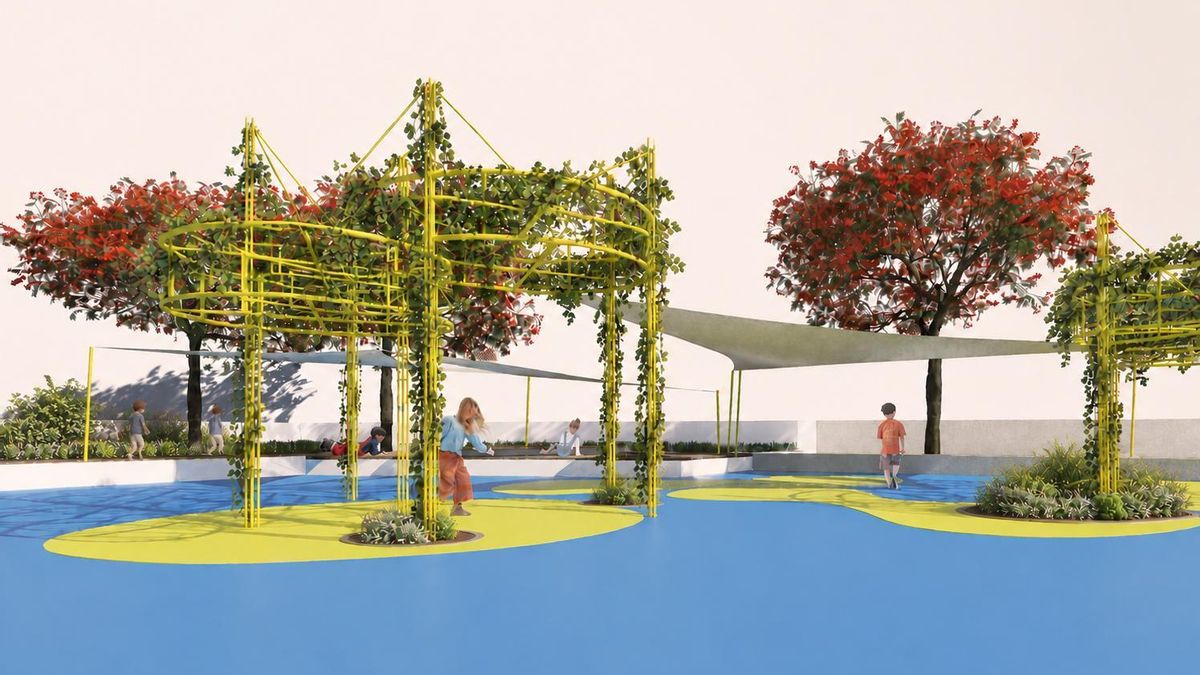
The founders of Movement Perenquén, Guayarmina Rijo and Fermín Blanco, both architects, have long been interested in how the physical environment impacts learning. They previously collaborated to establish Ludantia, an association that connects architects and educators. With their new initiative, they plan to replace asphalt and concrete in playgrounds with native plants and shaded areas.
The catalyst for the project was funding opportunities provided by the Canary Islands government as part of its Educational Centres Adaptation Plan to tackle extreme temperatures. Rijo pointed out that conditions vary significantly between schools, noting that what works in one location, such as Tejeda, may not be suitable in another, like Mogán. Their approach focuses on targeted investment, ensuring that each euro is spent wisely according to the unique needs of each school.
Movement Perenquén also supports schools that received funding to create their own naturalisation proposals. Rijo highlighted that while many projects were well-conceived, they often faced challenges during implementation. Their team helps translate educational staff ideas into practical plans, optimizing budgets without compromising on quality.
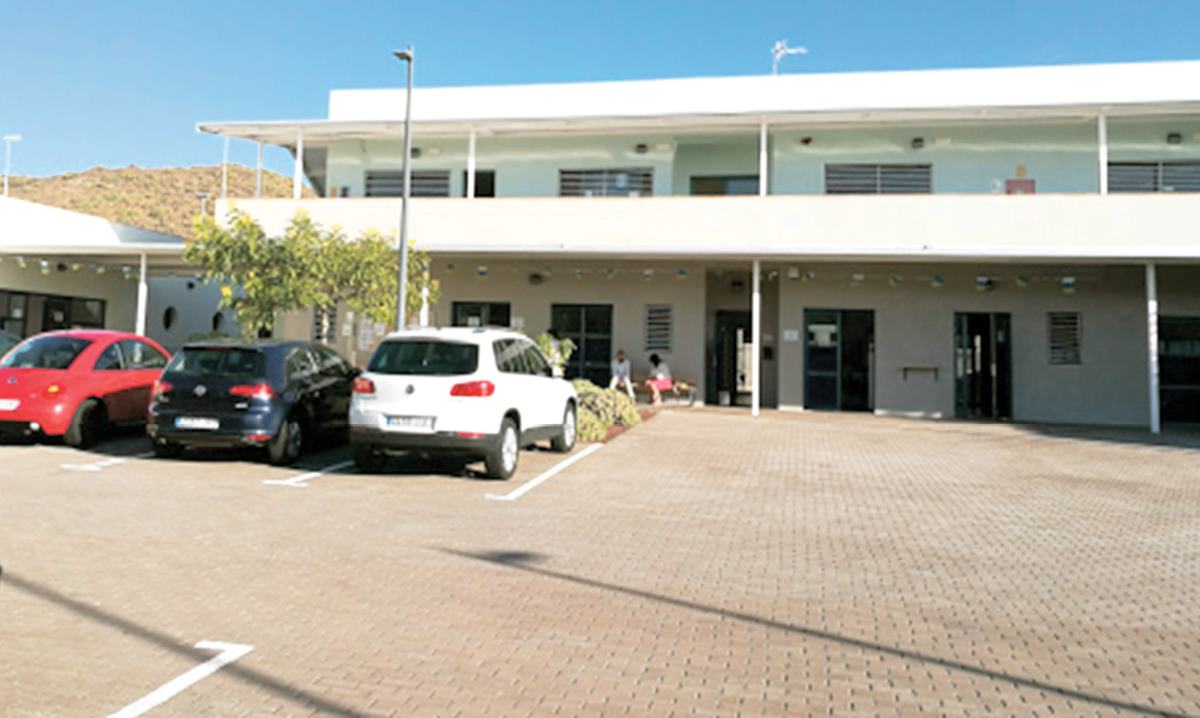
For example, the CEIP Playa de Mogán school in southern Gran Canaria received a grant of €40,000 but faced financial challenges when seeking quotes for necessary installations. The project has evolved through collaborative workshops involving students, leading to designs that include shade structures inspired by local fishing traditions.
Rijo emphasised the need to address the current realities of school environments in the Canary Islands, many of which lack proper shading and are paved heavily, resulting in dangerously high indoor temperatures. Parents have described the unbearable conditions, with some children arriving home exhausted from heat distress.
Architects propose removing concrete and replacing it with vegetation to lower temperatures. If cost-prohibitive, they suggest using cork for flooring or immediate solutions like shade sails rather than solid canopies that can trap heat.
Inside schools, many buildings were constructed under outdated regulations that did not require adequate insulation, leading to uncomfortable classrooms during heatwaves. Rijo suggests increasing airflow through cross-ventilation as a potentially cost-effective solution.
The need for climate adaptation in schools has been acknowledged by the local government. Education Minister Poli Suárez stated that there has been progress in addressing these issues, although many solutions remain insufficient. While some areas have received shading, educational unions are calling for more comprehensive measures, including air conditioning.
The Canary Islands’ government plans to expand its adaptation initiatives, having implemented protocols in 346 schools and initiated greening projects in 84 others. However, with growing community protests and thousands of signatures demanding further action, many believe that the steps taken thus far are inadequate to safeguard the health and educational environment of students.