


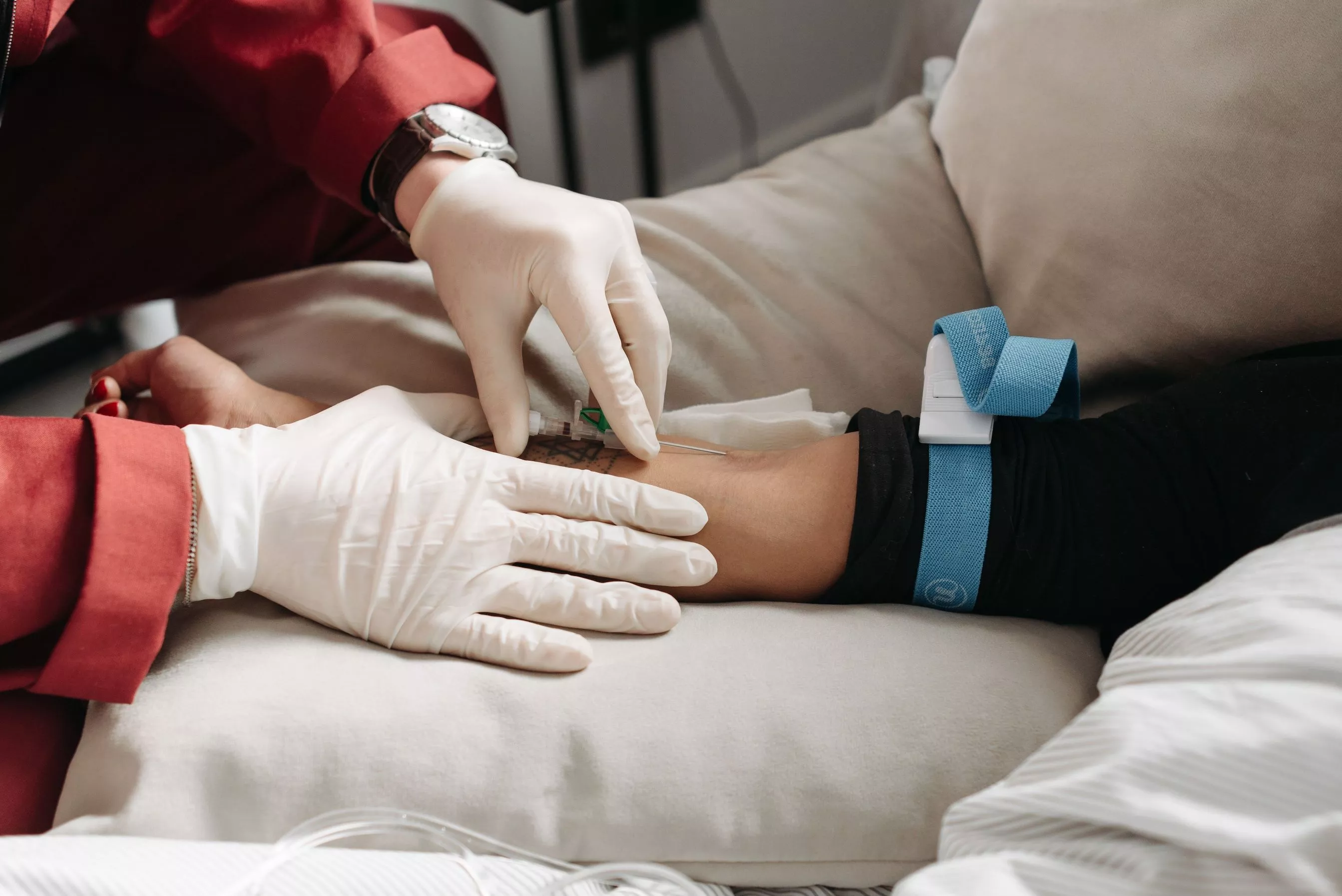
High fever in the elderly, severe chest pain, sudden difficulty breathing, or an inability to get up after a fall are concerning situations that demand rapid medical assessment. However, transferring the patient to hospital isn’t always feasible or advisable.
In such cases, having access to a home emergency doctor can initiate medical care right at home and determine the best course of action early on. If required, the medical team can also arrange for hospital transport.
When Every Minute Counts
More people are opting for this type of assistance when mobility is hampered or immediate evaluation is crucial. Home medical care is no longer just for minor health issues; it can also handle urgent situations needing swift assessment and, in some cases, advanced resources.
“Many scenarios require immediate attention. Our goal is to bring urgent medical assistance to the patient as quickly as possible, initiate necessary treatment, and assess if hospital transfer is needed. Acting quickly can significantly alter many health outcomes,” says Dr. Pedro Rojas, head of the Emergency Services at Quirónsalud Costa Adeje Hospital.
When Is It Useful?
Home emergency care is beneficial in cases of chest pain suggesting a heart problem, breathing difficulties in patients with asthma or COPD, or sudden symptoms indicating a potential stroke. Quick assessments are also vital for unconsciousness, severe dizziness, diabetic complications, hypertensive crises, and falls or injuries, especially in the elderly or those with limited mobility.
Assessing Before Transport
Reactions depend on each patient’s clinical condition. After an initial assessment, the medical team determines whether care can continue at home or if hospitalisation is necessary. In life-threatening situations, a mobile intensive care unit equipped with advanced technology can be dispatched to stabilise the patient before or during transport.
“Not all patients require immediate hospitalisation, but they do need specialised medical evaluation without delay. Helping them at home avoids unnecessary travel, reduces stress for the patient and their family, and allows us to initiate treatment promptly,” states Dr. Rojas.
A Particularly Helpful Option for the Elderly
Urgent home medical assistance is particularly advantageous for elderly individuals, those with chronic illnesses, or anyone with limited mobility, for whom travelling to a hospital can pose considerable challenges. It also serves as a quick option for families facing unexpected health issues, allowing them to determine if a patient can remain at home, requires monitoring, or needs to be transferred to a hospital.
The integration of home care, hospital coordination, and 24-hour continuous support means responses can be tailored to each situation. The aim is straightforward: to provide crucial medical attention right when needed and prevent unnecessary delays in assistance.


