

The president of the Persistent Covid Association of the Canary Islands, Inmaculada Pérez del Toro, criticised the lack of interest from both doctors and the general public regarding Covid-19 during a session in the regional parliament on Thursday. She called for a funded plan to support those affected.
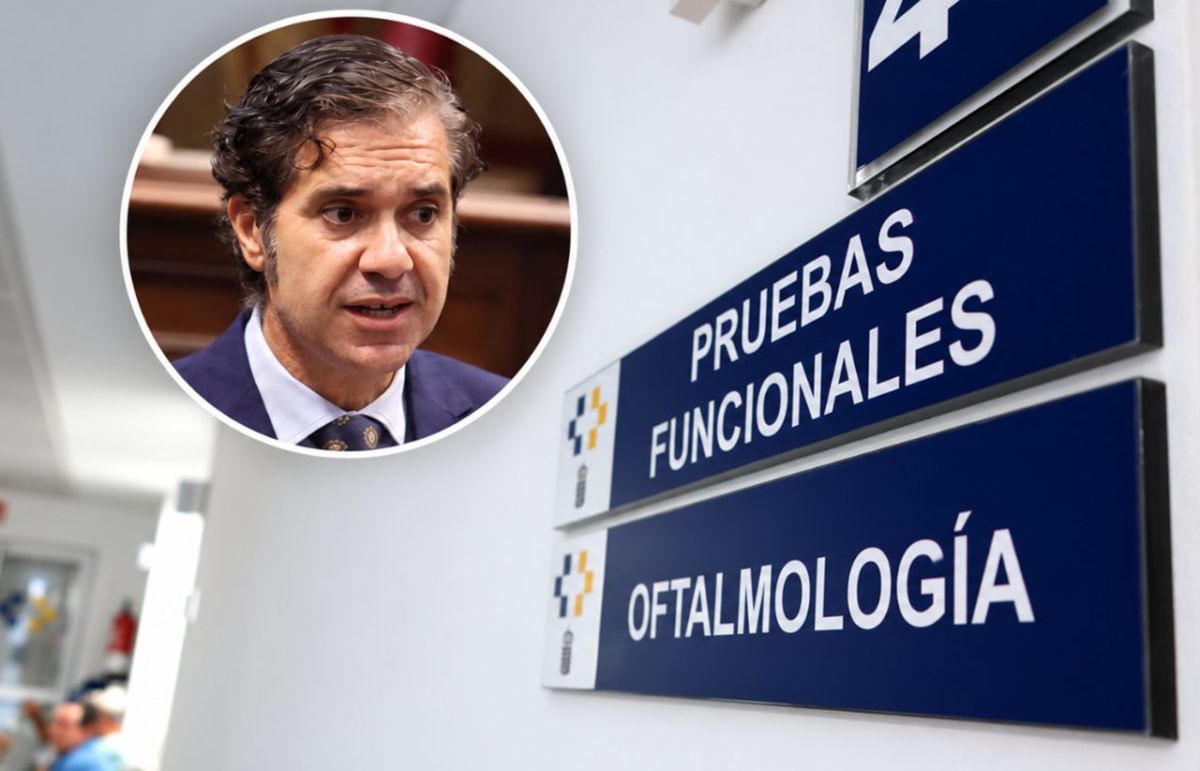
Speaking at the Health Committee, invited by AHI MP Raúl Acosta, Pérez del Toro urged that the plan ensure care across all islands, addressing issues related to diagnosis, healthcare coordination, and access to treatments.
She highlighted that only 23% of the 28 measures outlined in the regional strategy against persistent Covid for 2022-2026 have been implemented. In her view, doctors show a “clear lack of interest” in Covid-19 and refuse further training on the subject.
Pérez del Toro requested information on the actions taken under the strategy, what remains to be done, available resources, and the commitments the Autonomous Community will undertake after the strategy ends. She also called for a public evaluation of the plan’s results.
“Create a persistent Covid care plan,” she insisted, emphasising the need for adequate funding and follow-up mechanisms. She pointed out underdiagnosis as a major issue, stating that many medical professionals are unaware of or do not use the forms designed to identify patients, necessitating the association to inform patients on how to request them. “It’s the world turned upside down,” she said.
Training for healthcare workers, a proper case register, and better coordination between primary and specialised care were also recommended. Pérez del Toro noted that the number of people with persistent Covid in the Canaries remains unknown, warning that without sufficient diagnoses and records, the extent of the problem cannot be understood.
Laila, a representative for the non-capital islands, shared her experience of seeking a diagnosis since 2022, attributing her struggles to a failure to follow established protocols and neglect of symptoms. She described it as “exhausting” to recount her situation at every appointment and called for equal care across all islands, not just Tenerife and Gran Canaria.
The association raised concerns over inadequate multidisciplinary care, stating that only three clinical committees have convened at the Gran Canaria hospital, despite an announced monthly schedule to address cases. Pérez del Toro also highlighted uncertainty surrounding continuity of care following the departure of an internist, urging MPs to seek answers from the Health Minister.
During the session, patient testimonies were shared, detailing experiences of fainting, migraines, cognitive difficulties, and exhaustion, as well as the impact on their ability to maintain employment. Pérez del Toro stressed that persistent Covid involves more than just fatigue, with up to 202 reported symptoms. She likened the daily struggles of affected individuals to moving in a suit weighing as much as their own body.
Key demands include tailored physical and cognitive rehabilitation, workplace adaptations, improved healthcare, social support, and active participation of patients in shaping public policies. Pérez del Toro also called for public information campaigns, air purification measures in healthcare and educational facilities, and increased research in collaboration with universities and care centres.