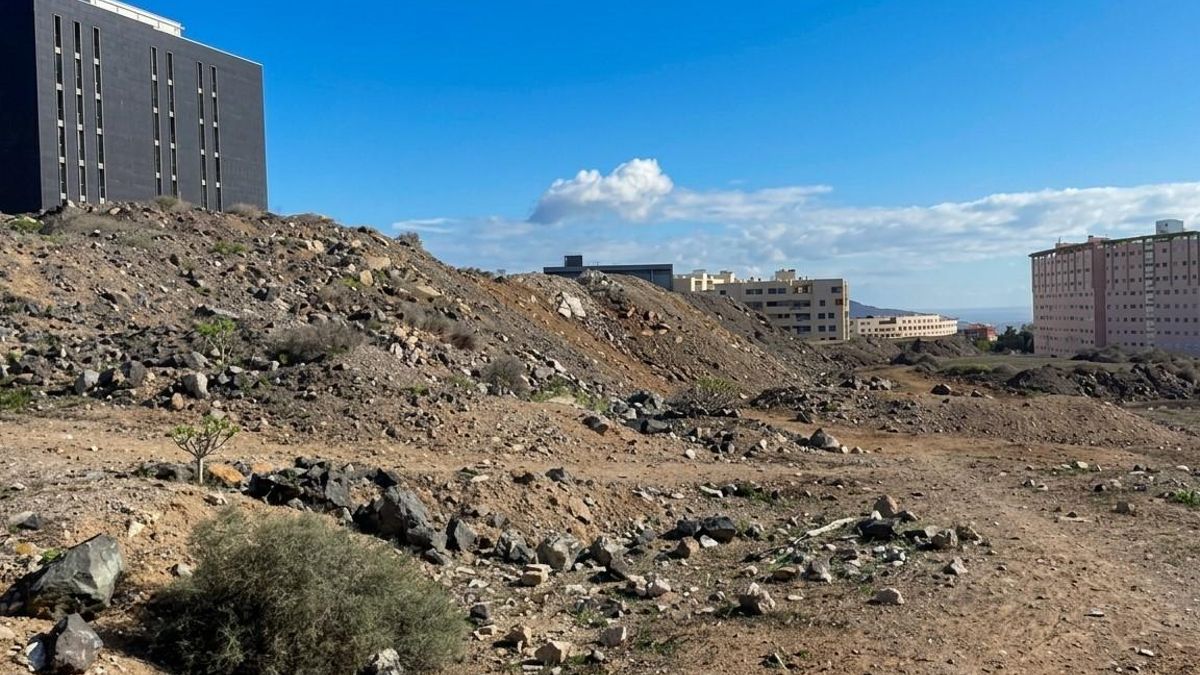





The Tenerife Cabildo has approved a significant development project, granting final approval to the Insular Interest Project (PII) for DISA Tenerife S.L. in Granadilla’s industrial zone. This involves a 275,014 square metre site initially proposed in 2022 for a green hydrogen production plant.
However, the approved legal text does not mandate the construction of this plant and addresses previous legal ambiguities raised by the Canary Islands Government. It permits the establishment of conventional fuel installations under the same legal framework.
The new urban regulations categorise the land for “energy and industrial infrastructures related to the storage, production, and distribution of energy,” without committing to any specific technology. They reference fuels from fossil sources, renewable energy, or transitional fuels.
During the approval process, it was reiterated that “the hydrogen plant project is not part of this PII,” highlighting a legal distinction. In September, it was reported that DISA’s subsidiary, Hidrógeno Renovable Tenerife, had paused its hydrogen plant proposal to allow for the installation of the Los Abrigos Plant, which is one of ten emergency generation facilities being established due to concerns over power outages in Tenerife, Gran Canaria, and Fuerteventura. The site is therefore now primarily designated for this backup infrastructure, rather than the initially proposed hydrogen plant.
The area is not designated for residential use, bordering the Granadilla Thermal Power Plant operated by UNELCO (Endesa). Regulations derived from the Royal Decree 840/2015 prohibit residential buildings, hospitals, nursing homes, prisons, schools, campsites, hotels, shopping centres, and any facility accommodating more than 50 people, reflecting its classification as an industrial risk site, akin to a Seveso facility.
The Canary Islands Government’s General Directorate of Territorial Planning previously challenged the legal validity of the urban modification underpinning the project. However, the Cabildo’s legal report concluded that the PII regulations are independent and are to be upheld regardless of the question of validity.
In April 2026, a simplified environmental assessment confirmed that the project would not have significant environmental impacts, allowing it to proceed despite requiring measures for protecting local species and restoring native vegetation.
With the completion of this process, the Cabildo can begin urbanisation work immediately. It remains to be seen whether the area will feature the anticipated green hydrogen plant or focus on the emergency power station set to take precedence from 2025, or if both developments will occur in phases, a possibility left open by the legal text.