


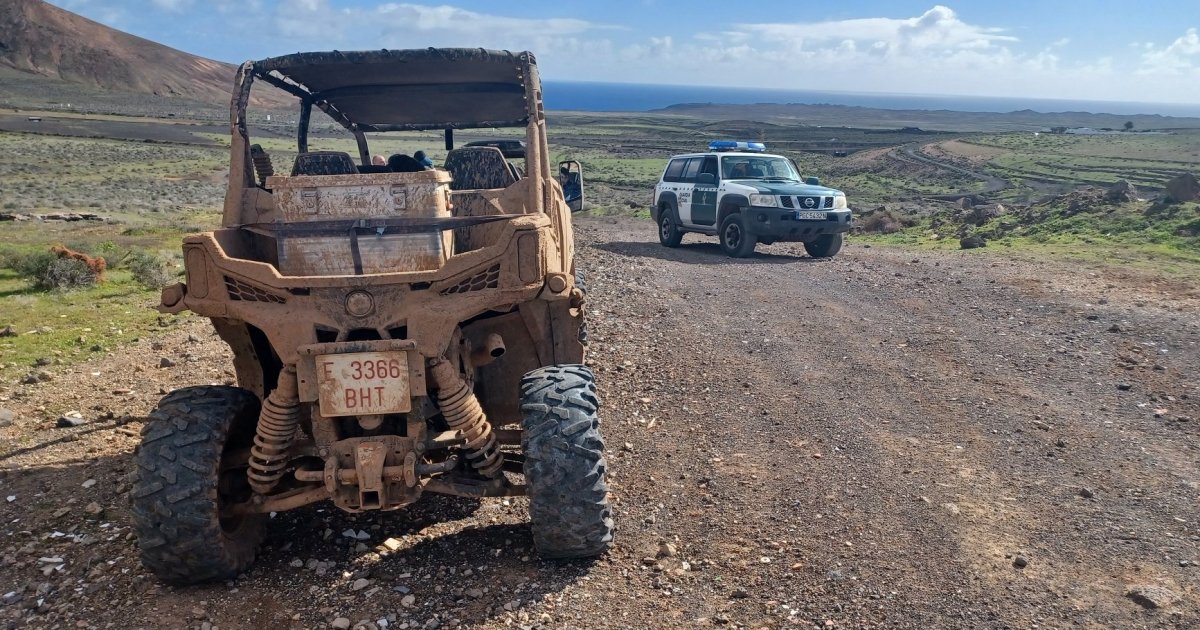
The Lanzarote Wine and Cheese Association has formally urged the island’s authorities to regulate the use of buggies, quads, and similar vehicles in natural areas.
The association argues that agricultural and livestock activities should take precedence over tourism and recreational motorised activities, especially when they disrupt farming, damage crops, or threaten traditional rural landscapes.
Association president, Mario Pérez Hernández, stated, “The agricultural territory must primarily serve those who work and maintain it. Motorised tourist activities cannot take priority over agricultural and livestock activity or the preservation of our rural heritage.”
The group seeks specific protections for regions like La Geria, Jable, traditional sand areas, and agricultural lands in Guatiza and Femés. These unique landscapes, shaped and preserved over generations, require regulations to limit motorised recreational and tourist uses.
Among their key proposals, the association requests the authorities to create an official network of routes for motor vehicles, designate sensitive areas, and enforce strict restrictions on organised excursions when there’s a risk of soil erosion or damage to crops and landscapes.
They also call for effective monitoring and control mechanisms and the involvement of the agricultural sector in developing future regulations. Ensuring that farmers and livestock owners can access their land and operate without disruption is deemed essential.
The association clarifies that their stance is not against tourism but about promoting a model that respects the land’s capacity and prioritises the needs of those living in agriculture. “This is not a conflict between tourism and agriculture; we’re advocating for a reasonable priority: to ensure the conservation of the land and the work of our farmers and livestock owners,” Pérez Hernández added.
The group emphasises that preserving Lanzarote’s landscape relies on the daily efforts of farmers and stockbreeders who maintain traditions and the environment, not just on protective declarations. They hope the authorities will heed their recommendations and enact regulations that prioritise agricultural and livestock activities while safeguarding Lanzarote’s natural, cultural, and scenic heritage.
In summary, they conclude, “Protecting the land is protecting our identity, culture, and the future of Lanzarote’s agriculture and livestock.”


