

During a parliamentary appearance, Mariano H. Zapata, the Canarian Minister for Ecological Transition and Energy, revealed that renewable energy waste in the Canary Islands exceeds 15%. He explained that this represents energy that cannot be used at certain times due to system integration limits, highlighting the need for improved storage capacity and adapted electrical networks.
Zapata stated that the objective is not just to increase renewable energy production but to ensure it is available when the system requires it. This involves combining various technologies and tailoring solutions to each island’s specific conditions.
He identified energy storage as a key technical challenge in the region’s energy transition, noting that wind and solar energy production does not always align with peak consumption periods. Thus, having systems that can store excess electricity for later use is crucial for enhancing renewable integration and reducing reliance on conventional generation.
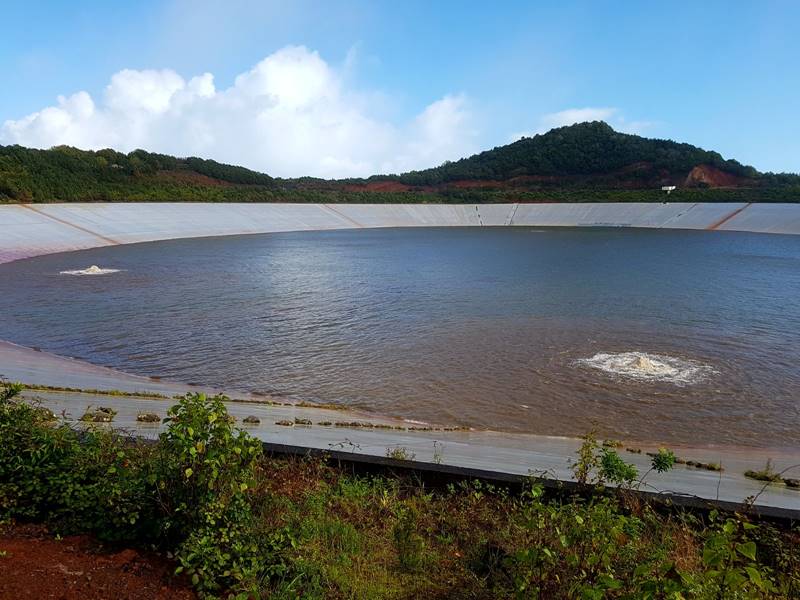
He explained how pumped hydroelectric plants can utilise surplus electricity to elevate water from a lower reservoir to a higher one. The Gorona del Viento facility in El Hierro, which combines renewable generation and storage, is expected to allow the island to meet all its electricity demand with renewable energy for over 1,000 hours by 2025.
In Gran Canaria, the Salto de Chira project aims for a capacity of 200 megawatts and 3,500 megawatt-hours of energy storage, while a future hydroelectric plant in Güímar, Tenerife, is set to contribute another 200 megawatts.
Zapata mentioned that Lanzarote and Fuerteventura have explored pumped storage options, but as of now, no viable large-scale hydroelectric storage solutions have been identified on those islands due to geographical challenges.
Regarding La Palma, a study commissioned to the Technological Institute of the Canary Islands proposes an initial hydroelectric storage phase of 30 megawatts and 600 megawatt-hours, with the Barlovento lagoon as a priority site. Further studies and procedures are needed to move forward.
The new electrical connection between Tenerife and La Gomera, operational since 1 July 2026, will further support this storage evolution.
Zapata also pointed out the potential for integrating batteries with wind and solar parks to store some of the produced energy for later use, thereby reducing the gap between generation and demand. On La Gomera, three storage projects linked to wind farms have been approved, each with a planned capacity of 2 megawatts.
The rollout of these technologies depends on the regulatory framework applied to non-mainland electrical systems. The ministry has submitted comments on the modification of Royal Decree 738/2015, which governs economic and technical aspects of electricity supply in these territories.
Additionally, batteries can be paired with photovoltaic systems in homes and businesses, storing solar energy for when the panels are not producing electricity. This increases self-consumption and decreases reliance on grid electricity.
Zapata reported that the installed photovoltaic capacity for self-consumption in the Canary Islands rose from 136 megawatts in 2023 to over 302 megawatts by June 2026, with a total of 24,817 installations.