


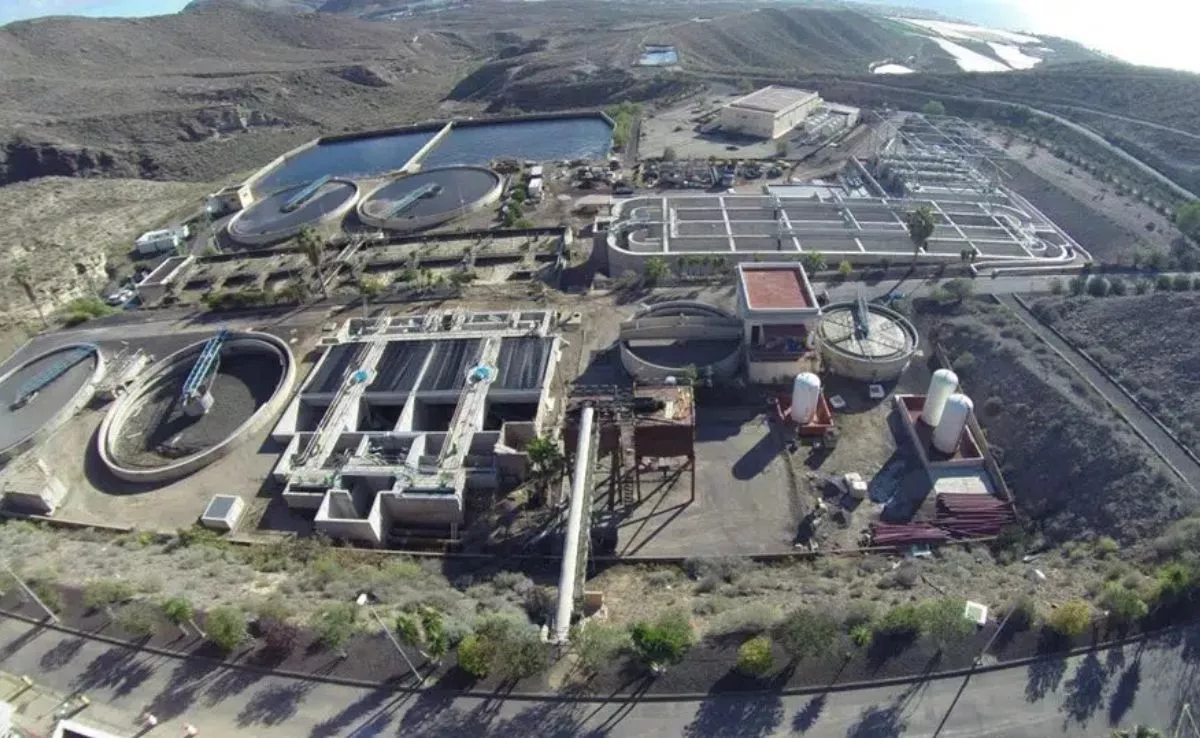
Tenerife is set to launch a new service to monitor sea discharges from sanitation, regeneration, and desalination facilities. The contract, worth an estimated €10.59 million (excluding tax), will last for three years, with an option to extend for an additional two years.
This initiative will continue the current service, which is due to end on 25 November 2026, with the new contract expected to begin the following day, although administrative delays may affect this start date.
The monitoring will not only involve analysing water discharged from plants but will also include assessing inflows to the facilities, treated effluents, marine receiving waters, sediments, and the state of underwater pipelines. Sampling will follow a protocol that allows for comparisons between incoming and treated water, as well as the surrounding marine environment. Reports will also document weather and oceanographic conditions, including rainfall, wind, waves, currents, and other factors that might influence the results.
Annual monitoring will entail creating a map of marine communities in discharge areas to track ecological changes. Sampling points will be georeferenced to ensure consistent data comparison over time.
The winning contractor will need to produce 18 annual reports on monitoring and control programmes, along with another 18 reports on discharge declarations, all due by 15 February of the following year. Reports must detail discharge volumes, monthly flow rates, plant performance, analysis results, and any incidents affecting the marine environment, including operation details of emergency outfalls.
The contract will cover ten systems managed by the Tenerife Water Council and may include additional systems in the future. Included are the Adeje-Arona system, northeastern regeneration, Valle de La Orotava regeneration, and several desalination plants. Some systems’ integration depends on the completion of construction and relevant discharge authorisations, with a potential operational start for the Güímar and northeastern desalination plants projected for January 2028.
The contract anticipates around 1,572 emergency discharges due to heavy rainfall or exceptional circumstances, which may vary based on weather conditions and maintenance needs. During such events, the contractor must conduct necessary monitoring and report to the Water Council within 15 business days detailing the incident, analyzed parameters, and results.
Additionally, the service will provide 24-hour telephone support year-round to address any discharge anomalies.
Although many included systems already have discharge authorisation, some are under modification or still waiting for permits. Consequently, the Tenerife Water Council may need to adjust the contract based on conditions set by the Ministry of Ecological Transition and Energy of the Canary Government.
There is also the possibility of expanding the service if actual discharges exceed initial estimates, although payment will only be for completed work.
The overarching goal is to ensure continuous monitoring of discharges, providing comparable data on their potential effects on Tenerife’s coastline, especially as new desalination and sanitation infrastructure is slated for the coming years.