


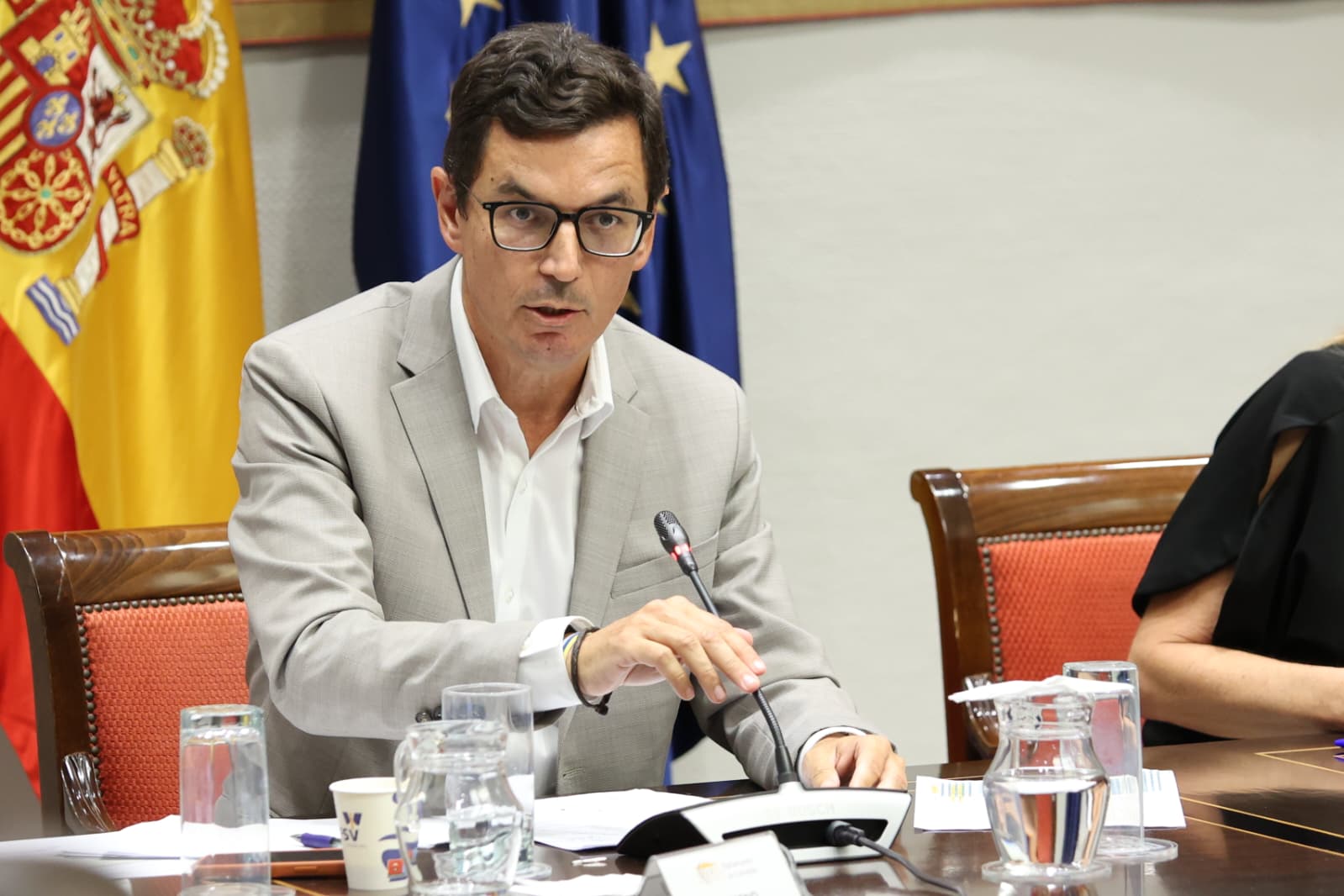
The Canary Islands’ Public Works, Housing and Mobility Minister, Pablo Rodríguez, has unveiled the 2027 budget of €551.08 million for his department during a session at the Parliament of the Canary Islands. This budget prioritises housing, infrastructure, and transport, with a significant investment of €249 million for housing, which is a 26% increase from 2026.
Rodríguez stated that the budget addresses the current needs of the islands, emphasising the interconnection between housing, infrastructure, and mobility. He highlighted the importance of where public housing is built, as it impacts local transport and economic opportunities.
The Ministry of Housing will see its budget rise to a record €249 million for the fourth consecutive year. Of this amount, €93.3 million will fund public housing construction, while €84.7 million will support rental assistance and housing purchase initiatives for young people and rural areas. An additional €51 million is allocated for the rehabilitation and maintenance of existing buildings.
In total, the Canary Islands have 3,963 public housing units at various stages of development, including 1,307 in Gran Canaria and 1,116 in Tenerife.
Rodríguez emphasised that housing remains a top concern for families in the Canary Islands, urging collaboration between government, local councils, and the private sector to effectively tackle the homelessness crisis.
In terms of infrastructure, the Directorate General has a budget of €227.4 million, with €215 million earmarked for ongoing roadworks as part of a decade-long agreement. For Transport and Mobility, the budget will rise to €147.3 million, with funds directed to public transport support and initiatives promoting sustainable mobility.
Ports of the Canary Islands will receive €30.4 million to enhance and maintain port facilities, while €10.6 million will support various innovation and economic projects related to infrastructure.
Finally, the General Directorate of Coasts has a dedicated budget of €3.6 million to further develop regulations governing the archipelago’s coastline.
Rodríguez concluded by reiterating the need for a cohesive approach to managing the island’s infrastructure and natural resources, aiming to adapt to the unique needs of the Canary Islands.


