


Canary Islands Struggling to Utilise European Funding, Says Expert
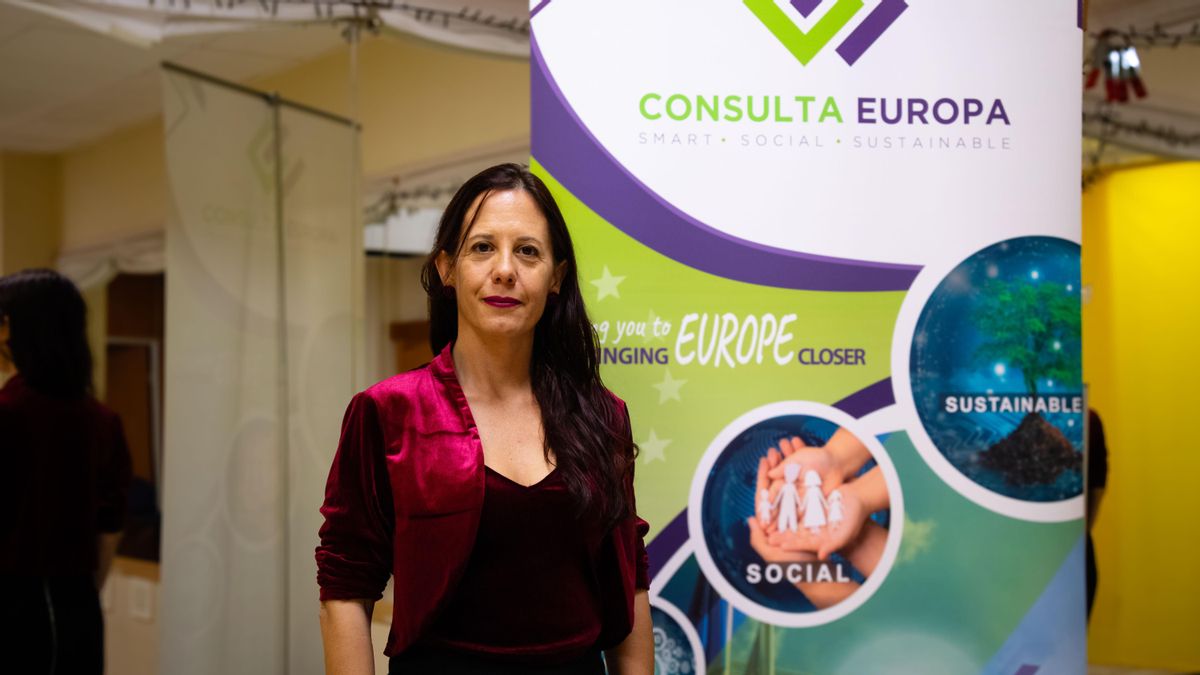
Michelle Perelló, executive director of consultancy firm Consulta Europa, has raised concerns over the under-utilisation of European funding in the Canary Islands, despite the region being the second highest recipient of European Regional Development Fund (ERDF) grants. Following nearly a decade as an advisor on European funds in Brussels, Perelló established Consulta Europa to bridge the gap between the Canary Islands and Europe, fostering better use of available resources.
From her base in Las Palmas, Perelló highlighted the importance of the ERDF and Interreg MAC programmes, designed to reduce economic and social disparities across EU regions and encourage cooperation between outermost regions like Madeira, the Azores, and the Canary Islands. She noted that better communication and visibility of these funds are essential for public awareness and engagement. Current perceptions often see these initiatives as bureaucratic rather than beneficial to the community.
The ERDF was established in 1975 with the aim of addressing inequalities within the EU, initially focusing on infrastructure but gradually expanding to cover innovation and employment. In contrast, the Interreg programme encourages regional partners to work together to find innovative solutions to shared challenges.
Canary Islands, positioned strategically near Africa, provides mutual benefits through collaboration, sharing knowledge and expertise while gaining enhanced opportunities in African markets. Perelló underscored the necessity for Europe to maintain a strong presence in Africa, especially given growing competition from countries like China.
Effective allocation of these funds hinges on each region’s investment strategy. Perelló cited several successful projects financed by these programmes, notably the Oceanic Platform of the Canary Islands (PLOCAN), which has received significant funding and now manages 73 projects, bringing in over €285 million in investments. Other key projects include the expansion of Playa Blanca port in Lanzarote and enhanced healthcare facilities across the islands.
Despite the potential for growth through European funding, Perelló acknowledged that smaller municipalities often face challenges accessing these resources, largely due to limited human resources and expertise. While larger organisations can manage project executions, local councils remain underrepresented in applications.
Communication about these funds must improve, according to Perelló. She urged better engagement strategies to inform the public about the origin of these funds and their impact on local communities. She suggested that a more collaborative approach is needed in planning projects, ensuring the benefits extend beyond immediate research or development.
Perelló also noted that social innovation, particularly regarding aging populations and migration, often lacks sufficient funding attention compared to economic priorities. She observed a disconnect in perceptions regarding social issues, advocating for a paradigm shift that embraces collaborative solutions between business, social sectors, and public administration.
In summary, while the Canary Islands have access to substantial European funds, significant work remains to ensure these resources are effectively managed and communicated to benefit the broader community.


