


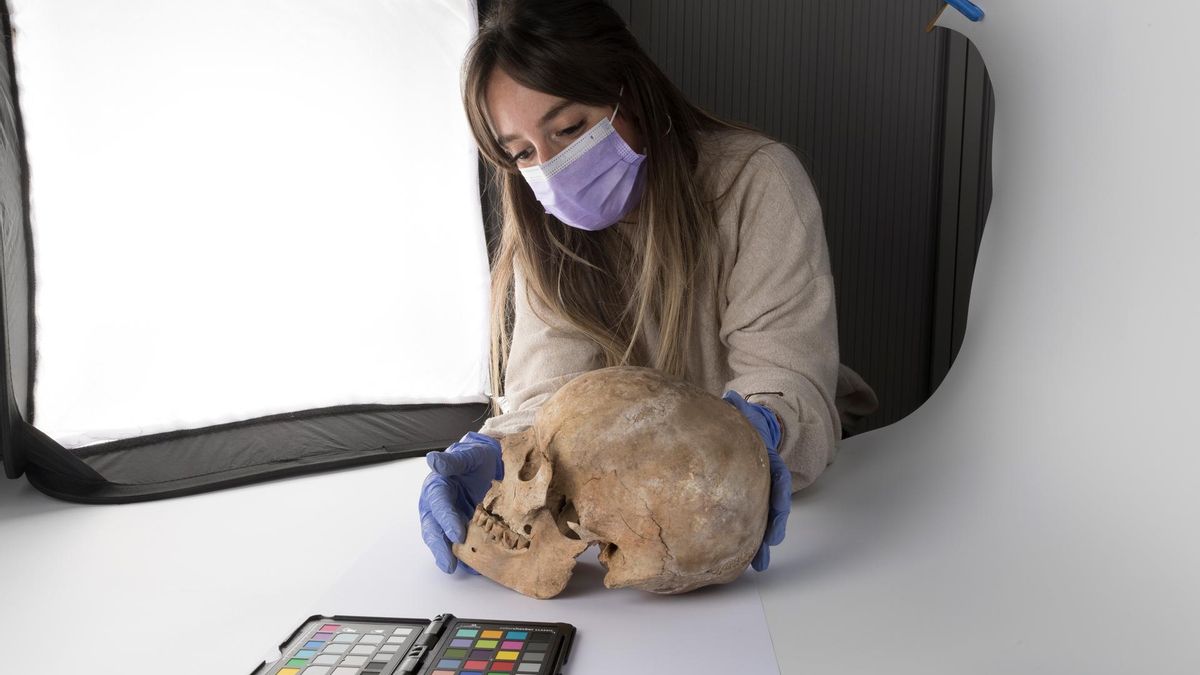
A study involving researchers from the University of La Laguna suggests that ancient skull trepanation, as practised by the Guanches, might have served as an early method of cranial decompression.
Published in World Neurosurgery, the article by Leandro Castañeyra from the university’s Pharmacology Department and Emilio González from the Internal Medicine Department analyses evidence from prehistoric populations worldwide, including documented injuries in the Canary Islands.
The research also includes specialists from the Gran Canaria Historical Heritage Service, the Surgery Service at the University Hospital of the Canary Islands, and the Face Lab at Liverpool John Moores University, according to the university’s official website.
Trepanation involves intentionally creating an opening in the skull and is one of the oldest surgical procedures known. Its potential purposes range from treating trauma and responding to specific symptoms to ritual practices, though its intended use is still debated due to a lack of conclusive evidence.
The study highlights two significant injuries found on skulls of adult individuals from the Barranco del Agua de Dios site in Tenerife. Both display signs of prolonged survival after injury, leading researchers to suggest the possibility of partial trepanation. However, there is insufficient evidence to confirm therapeutic intentions for these interventions in the Canary Islands, as the injuries may relate to trauma, intentional procedures, or later modifications.
Furthermore, a separate study on violence in pre-Hispanic Gran Canaria identified cranial injuries in 696 individuals, of which 596 had healed injuries, while 100 showed no signs of healing, with no conclusive evidence of intentional trepanations found.
The article’s findings are also supported by remains from other prehistoric populations, notably in Cusco, Peru, where 109 cranial openings in 66 individuals were documented. Around 83% of these cases displayed signs of survival following the procedure, with 26 individuals exhibiting multiple openings.
One compelling point for potential therapeutic intent is the presence of multiple trepanations in a single individual. The researchers note that some survivors of an initial procedure later underwent further trepanations, resembling current conditions like chronic subdural hematoma, where initial decompression may succeed, but recurrence necessitates additional intervention.
While the study does not dismiss other possible motivations, such as rituals, it does suggest that some trepanations might have been genuine surgical treatments aimed at alleviating intracranial pressure.
The authors propose that certain communities developed these practices by observing the recovery of individuals who had suffered injuries, although this does not imply awareness of modern concepts of intracranial pressure. They could have noticed that particular individuals worsened after an injury and, in some cases, improved following a cranial opening.
The research advocates for using techniques like computed tomography to differentiate between intentional interventions and injuries caused by trauma, illnesses, or post-mortem processes. Moreover, it notes that trepanation may have represented a surgical response based on experience in addressing cranial issues under certain contexts. However, the researchers emphasise that the existing evidence does not allow for conclusions that the documented interventions in the Canary Islands were specifically for cranial decompression.


