


Political Proposals for Migrants in the Canary Islands: A Mixed Bag of Approaches
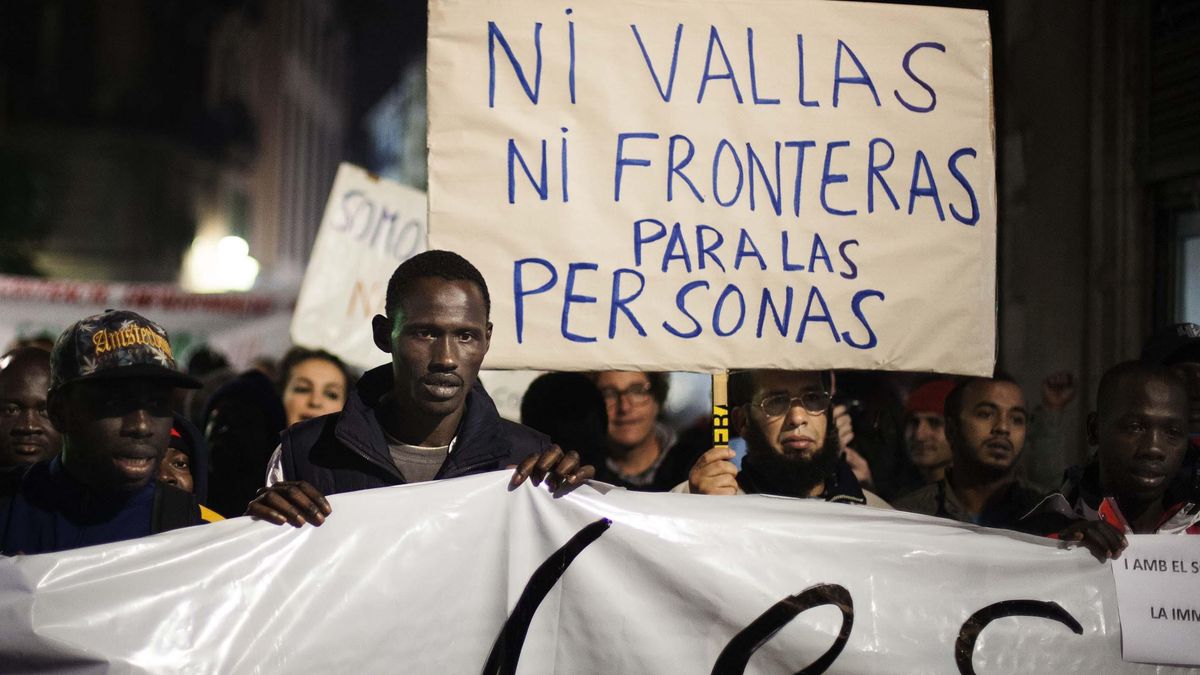
In the Canary Islands, various political parties have unveiled their proposals concerning migrant populations, addressing everything from dignified accommodation to calls for military involvement and the repatriation of minors.
The PSOE party advocates for a comprehensive integration plan, allocating €500 million from 2026 to 2030. Their proposals include enhancing safe and legal pathways for international protection, improving public reception and asylum systems, and ensuring robust support for mental health services, education, and social integration for migrants. They stress the need for a dignified reception system and special protections for unaccompanied minors while pushing against discrimination through the proposed Zerolo Law.
The Popular Party (PP) proposes a singular authority to oversee migration management, advocating for increased military presence at the southern borders and expedited deportations. They demand quicker identification of undocumented migrants and aim to tighten asylum procedures, reducing processing times while eliminating undue delays.
Unity of the Canary People (UPC) focuses on child protection and safe migration routes, urging the EU to address the unique challenges of the Canaries as an outermost region. They favour a human rights-based policy, with a specific emphasis on the handling of unaccompanied minors and a collaborative approach to manage migrant flows.
Canary Coalition calls for a sustainable reception system that ensures safe accommodation for migrant children and seeks a coordinated national response to the humanitarian situation, urging the Spanish government to cover the costs of rescue and reception.
Vox takes a much stricter stance, advocating for the repatriation of undocumented migrants, an end to mass regularisations, and increased border surveillance. They suggest eliminating state support for NGOs involved in facilitating irregular migration.
Finally, Drago Canarias supports the establishment of legal migration pathways, closure of detention centres, and strengthened search-and-rescue operations in the waters off the Canary Islands, calling for greater humanitarian aid for the Sahrawi people and the inclusion of Sahrawi rights in Spanish law.
As discussions on these diverse proposals unfold, the Canary Islands remain at the heart of a complex and often contentious debate surrounding migration and humanitarian responsibilities.


